More than a major: Finding your voice in communications
Image
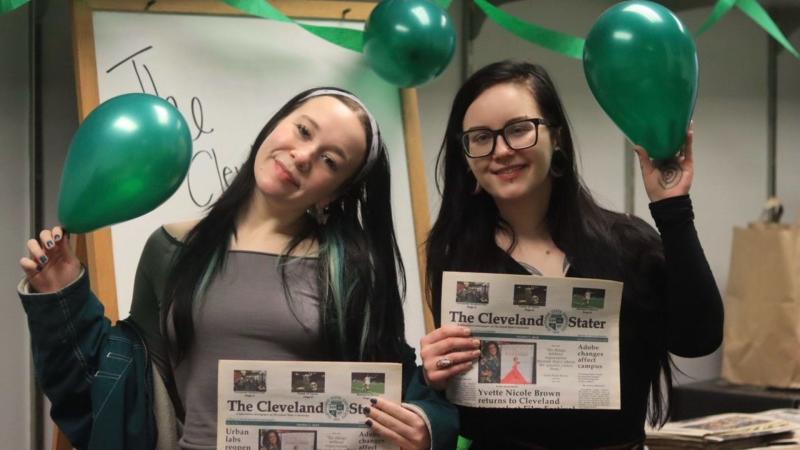
The Cleveland Stater
Morgan Alten and Nicole Wlozek-Therens hold copies of the Cleveland Stater while celebrating the newspaper in the Stater newsroom on March 3, 2026.
More than a major: Finding your voice in communications
For students studying journalism, public relations and communications, there is more than one way to find their voice and build a career.
By
MORGAN ALTEN - posted September 30, 2026
Walk into a communications classroom at Cleveland State University and you might find students with completely different career goals sitting side by side.
One may dream of writing for a national magazine. Another may want to work behind the scenes of a major public relations campaign. Someone else may see themselves holding a microphone, producing a broadcasting package, managing social media or creating the next viral piece of content.
They are all studying communication, but their paths can look very different.
That diversity reflects the wide range of the field.
Communication is not simply one career or one skill. It is an umbrella that brings together journalism, public relations, broadcasting, digital media, advertising and other forms of storytelling. The School of Communication lets students explore diverse interests while developing transferable skills applicable across industries.
For some students, journalism centers on inquiry and the pursuit of answers.
Journalists are trained to gather information, interview sources and tell stories that help audiences better understand the world around them. Whether the subject is a campus event, local business, political campaign, or community member, journalism gives students opportunities to turn conversations into meaningful content for audiences.
For Derek Williams Jr., a fourth-year CSU student majoring in journalism and public relations, that interest began with an opportunity to interview Cleveland's mayor while Williams was still in high school.
“I came to CSU for journalism following an opportunity my high school gave me in my senior year to (briefly) interview Mayor Justin Bibb,” Williams said. “The experience geared me toward journalism rather than going for the general business major degree I thought I wanted.”
For Williams, interviewing remains one of the most rewarding parts of journalism.
“I think my favorite part of journalism is conducting interviews,” Williams said. “Connecting well-prepared, researched interview questions with guests who have something meaningful to say is an experience unlike many other conversations.”
That feeling, he said, has continued throughout his college experience.
“I think I’ve felt this at least once in the process of every story I’ve ever written,” Williams said.
Williams said he believes journalism is sometimes misunderstood, particularly by people who view the field through a political lens.
“I think many people see journalism and the study of it as some strange indoctrination to specific political beliefs,” Williams said. “I think that the study of journalism is more about understanding its place in a working society and understanding how to communicate to the public on a broad scale.”
For Williams, some of the lessons from journalism are practical, while others are more personal. When asked what he will carry with him beyond college, his answer was simple. “AP Style,” Williams said.
But the stories themselves are what Williams hopes will ultimately matter.
“I hope to tell stories that make someone somewhere smile,” Williams said.
Image
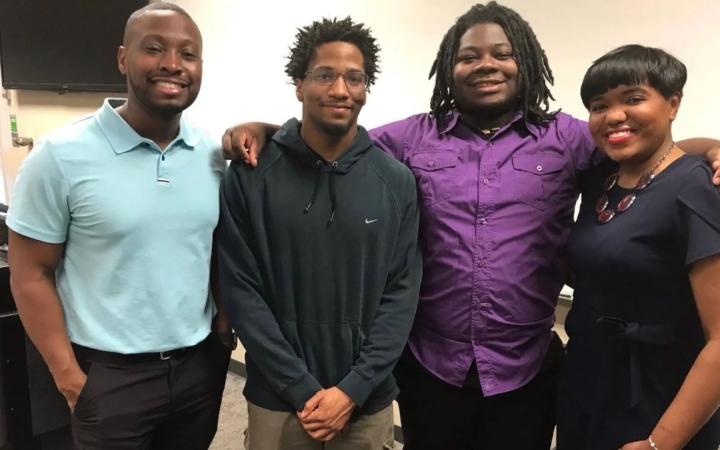
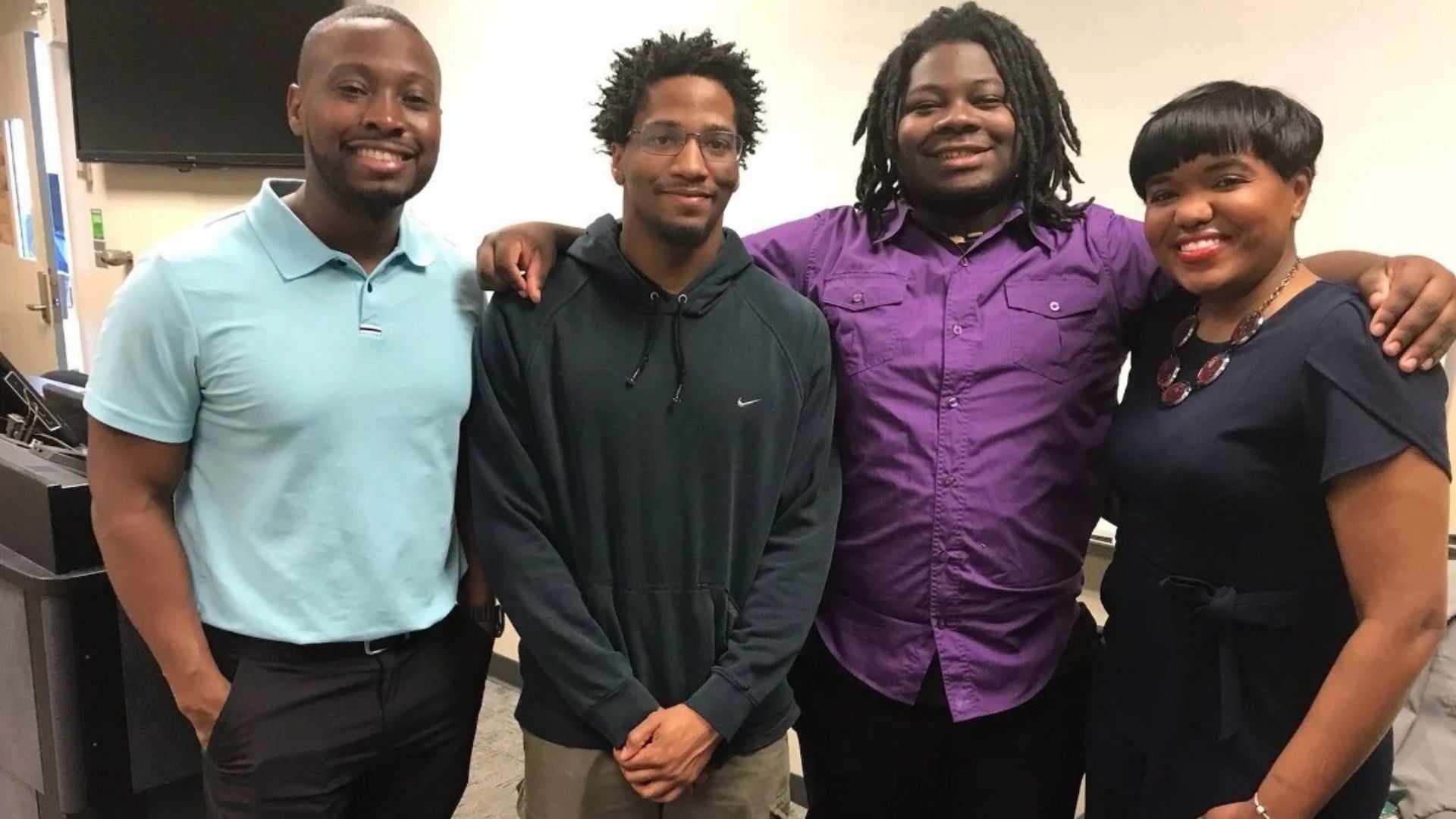
Derek Williams, third from left, welcomed WKYC Studios to CSU for The National Association of Black Journalists chapter speaker event on March 27, 2026. (credit: The National Association of Black Journalists)
For others, public relations offers a different way to tell a story.
Rather than reporting on events, public relations professionals help organizations communicate with key audiences. Their work may involve campaigns, social media, crisis communication, media relations, branding, event planning and more.
For Madison Medlen, an Ohio State University alumna, public relations offered an opportunity to combine two of her interests.
“I chose PR/comms because I wanted to do work that combined creativity and strategy,” Medlen said. “I love writing and sharing meaningful stories through purposeful communication.”
Like journalism, public relations can lead to a variety of career paths. Medlen said that variety is one of her favorite parts of the field.
“My favorite part of my major is how broad the field is, and how many paths you can take in your career,” Medlen said. “From agency life to in-house PR, the possibilities for growth are endless.”
Her internship with OhioHealth helped reinforce that perspective. During her time there, Medlen wrote and pitched stories about patient successes, showing her how public relations can have a meaningful impact on people’s lives.
“It was inspiring to see my work reach and connect with others intentionally,” Medlen said.
That experience also challenged some of the common perceptions surrounding public relations.
“I actually don’t think people understand what we do at all,” Medlen said. “If I had to pick one misunderstanding that I’ve heard, it’s that I write press releases all day.”
While press releases remain an important tool, Medlen said they represent only a small part of the profession. Today, much of her work focuses on developing communication strategies and finding ways to connect organizations with journalists and audiences.
Social media is often viewed as a central part of public relations, but Medlen said it is only one channel within a broader communication strategy.
“Social media is part of what we do; it’s a channel, but communication is the strategy behind it,” Medlen said. “It’s about shaping how people experience and respond to a brand.”
That strategy can include public relations, crisis communication, internal communication, event planning, advertising, influencer work and content analysis.
“Strong communication helps a brand build trust with its audience, and that’s what really matters,” Medlen said.
Her path to the profession was not always straightforward. Medlen originally planned to become a forensic psychologist, but her career interests changed as she discovered communications.
“I would say what I thought I wanted to do has changed a lot,” Medlen said.
Image
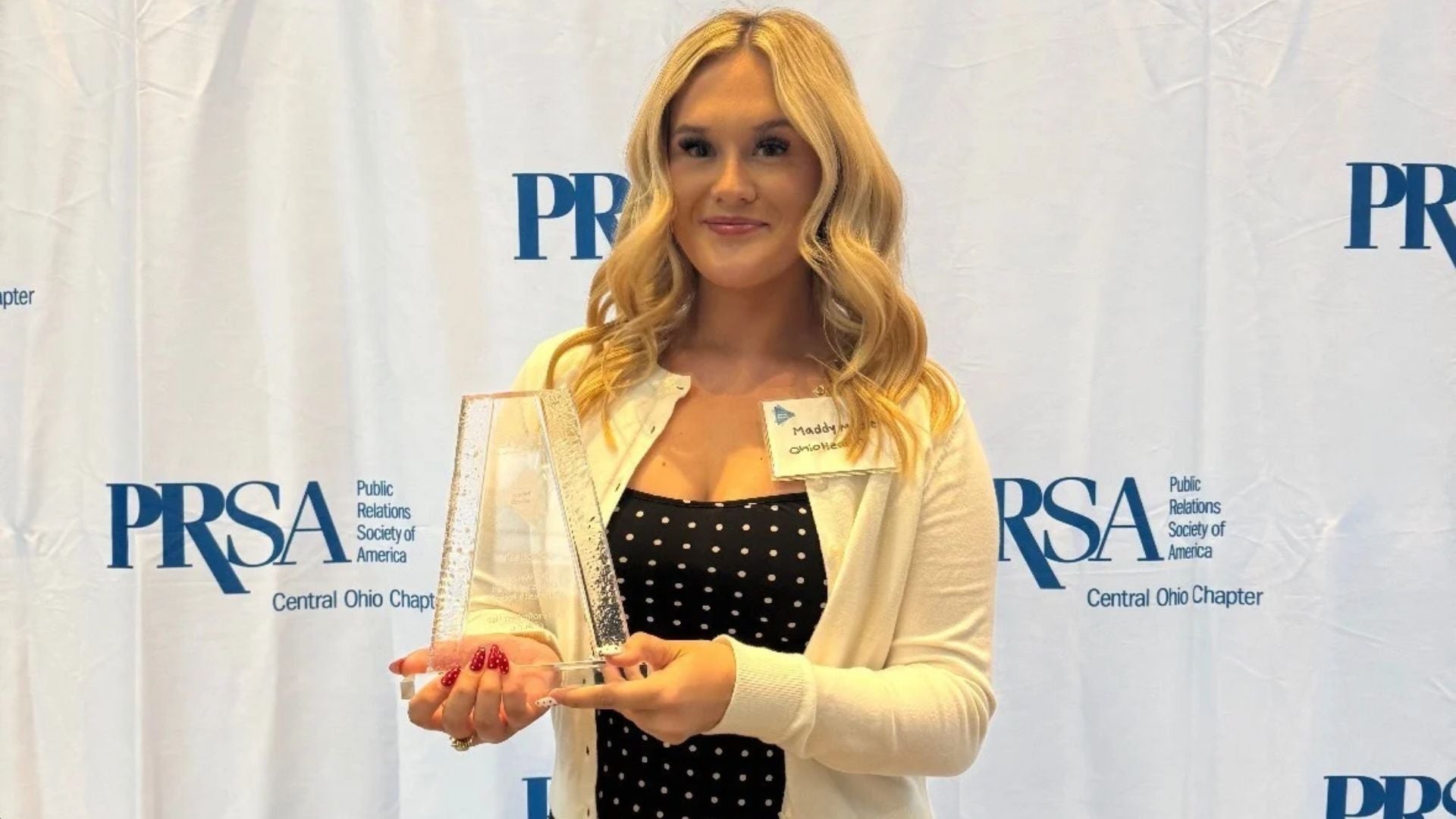
Madison Medlen accepting an award for best use of audio in her OhioHealth podcast at the PRSA PRism awards on May 21, 2026. (credit: Madison Medlen)
That change is not unusual for communications students.
The distinctions among these areas may render communications complex to external observers; however, these differences also contribute to the field's value.
A journalist may ask, "What happened?"
A public relations professional may ask, "How should we communicate about what happened?"
A communications professional may ask, "Who needs to hear this, and what is the best way to reach them?"
The questions may differ, but they all begin with the same idea: People connect through stories.
That is why there are so many opportunities within a communications department.
Students do not have to know exactly where they will end up when they walk through the doors.
They can write for a student newspaper, produce a television segment, create a social media campaign, learn video editing, work on a magazine, develop a brand or discover an entirely new interest along the way.
And sometimes, the path changes.
A student who begins college wanting to be a reporter may discover a passion for public relations. Someone interested in social media may find themselves drawn to broadcasting. A student who loves writing may realize that they also love photography, video or digital content.
The CSU School of Communication gives students the flexibility to explore different interests and refine their career goals.
Perhaps that is the most important thing about studying communications: There is no single definition of what it means to be a communicator. What connects the differences is the ability to communicate.
In an era characterized by rapid exchange of information, that skill remains essential. Organizations need individuals who can articulate their narratives, while communities benefit from those who can ask critical questions.
Audiences need people who can make complicated information understandable. And people, perhaps more than ever, need ways to feel connected to one another.
For communications students, the classroom can be the beginning of discovering how they want to contribute to that conversation.
The majors may have different names. The careers may take students in different directions. But beneath all of them is the same goal: to use a voice, tell a story and connect with someone on the other side of it.
And sometimes, finding that voice is the most important part of the journey.
Ahead of the Nov. 3 midterms, Ohio senate candidate Greg Levy spoke to CSU students about the possibility of real change for the good of the community.
XCSB, Cleveland’s new alternative media station and successor to CSU's shuttered WCSB hosted a flea market fundraiser at the Beachland Ballroom and Tavern to raise money so the station can continue to serve the community.
Alanais Morissette's Broadway musical made its regional debut at the Broadview Heights Spotlights community theater on Sept. 18, 2026, playing to a sold-out audience.
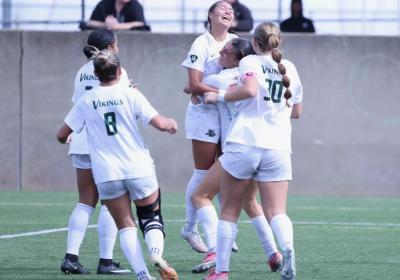
Sophomore Ryleigh Alcala was named the Under Armour #HLWSOC Offensive Player of the Week after scoring both goals in CSU's 2-0 victory over the Golden Grizzlies.
By ALEXANDER GIAMPIETRO - posted September 25, 2026
Cleveland State University on Wednesday reopened the Student Center, the hub of campus life, after a Cleveland City main water break on Monday caused flooding on part of campus Monday, and forced the closure of the SC and Berkman Hall Tuesday.
By
ALEXANDER GIAMPIETRO - posted September 18, 2026
Across the city of Cleveland, Flock cameras are watching intersections. However, the Cleveland City Council is reconsidering the program following pressure on social media and from the community.
More than 900 students from 30 different regional institutions networked with around 80 employers at the 3rd annual College Fest, held at the Rock and Roll Hall of Fame, Sept. 9, 2026.
Djorde Petrovic (10) scored both goals in the home game Saturday, Cleveland State's first Horizon League win of the year and second clean sheet of the season.
By
NICOLE WLOSZEK | AVA FUDURIC - posted September 9, 2026 **
CSU President Laura Bloomberg, Ph.D., addressed the cost of balancing Cleveland State's budget, ongoing litigation with WCSB, housing concerns and AI implementation at the school in an interview with The Stater at the end of the spring 2026 semester.

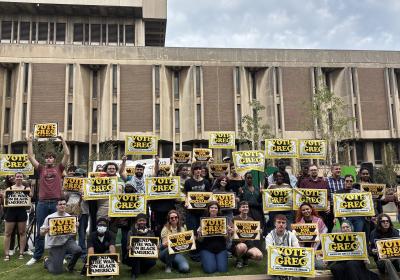 Ahead of the Nov. 3 midterms, Ohio senate candidate Greg Levy spoke to CSU students about the possibility of real change for the good of the community.
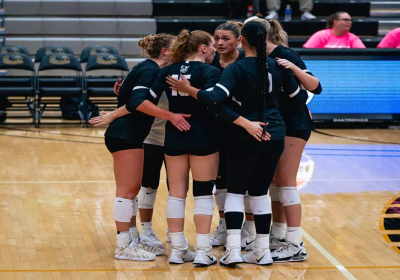 Volleyball struggled in its weekend series against Milwaukee, losing in straight sets on Friday, and dropping a five-set thriller on Saturday.
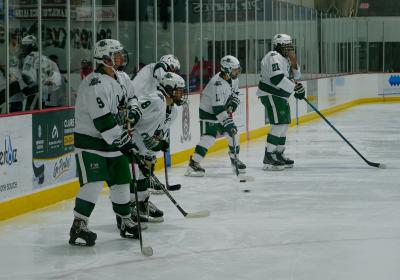 The CSU Vikings men’s club hockey team on Saturday won its home opener against the Robert Morris Colonials.
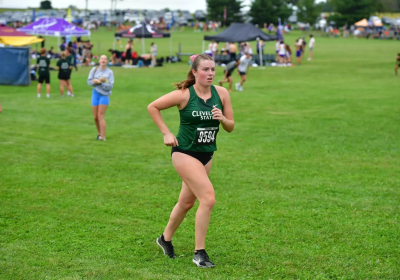 The Vikings had a good outing at the event in South Bend, Indiana, with six athletes running season best times.
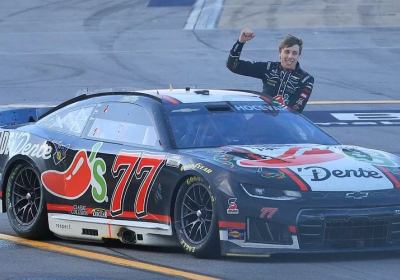 Carson Hocevar celebrates after his first career win, at Talladega Superspeedway on April 26, 2026.
 XCSB, Cleveland’s new alternative media station and successor to CSU's shuttered WCSB hosted a flea market fundraiser at the Beachland Ballroom and Tavern to raise money so the station can continue to serve the community.
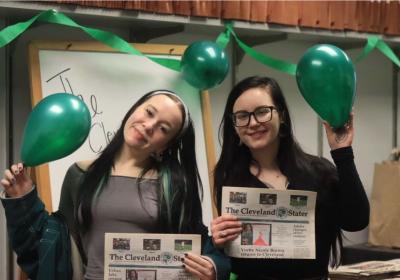 For students studying journalism, public relations and communications, there is more than one way to find their voice and build a career.
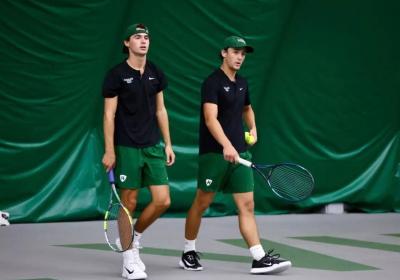 Members of Cleveland State men’s tennis advanced to the semifinals and finals, but missed out on the win.
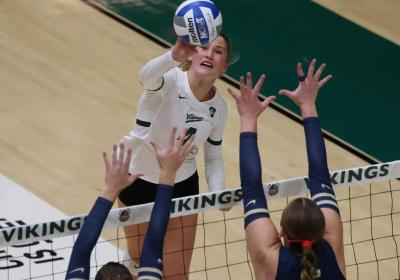 Cleveland State finished the Horizon League Play Opener 0-2 this past weekend, losing both its matches on the road to Purdue Fort Wayne.
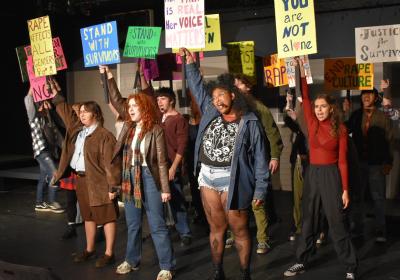 Alanais Morissette's Broadway musical made its regional debut at the Broadview Heights Spotlights community theater on Sept. 18, 2026, playing to a sold-out audience.
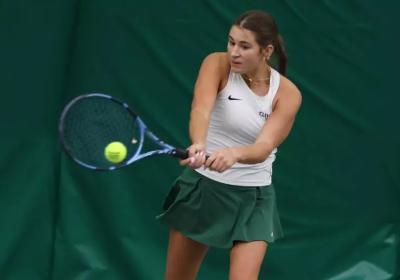 Cleveland State women's tennis began their season at the Betsy Kuhle Invite with two days of solid performances from the team.
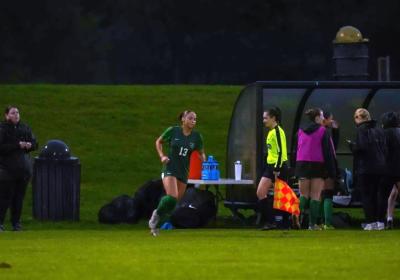 Sophomore Ryleigh Alcala was named the Under Armour #HLWSOC Offensive Player of the Week after scoring both goals in CSU's 2-0 victory over the Golden Grizzlies.

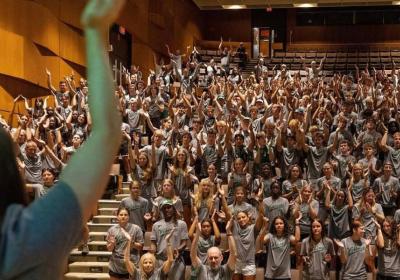 Two Cleveland State student-athletes share what it’s like to work the sidelines, chase down balls and get a different view of CSU athletics.
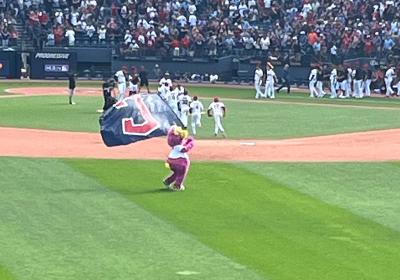 Guardians fans talk about how key additions to the lineup can help the team make a run in the postseason.
 Across the city of Cleveland, Flock cameras are watching intersections. However, the Cleveland City Council is reconsidering the program following pressure on social media and from the community.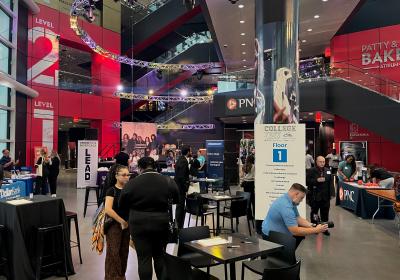
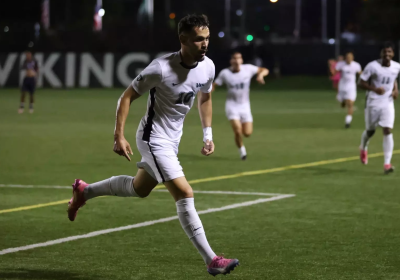 Djorde Petrovic (10) scored both goals in the home game Saturday, Cleveland State's first Horizon League win of the year and second clean sheet of the season.
 Fashion Talks Foundation founder Aimon Ali joined The Stater Scoop to discuss the inner workings of the fashion industry with host Alexis Stradford.
 Fans are not happy with the decision of Browns management to name the controversial Watson to the starting position.
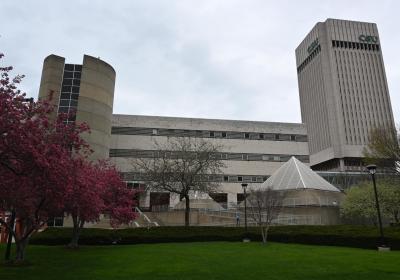 Better cross-campus communication was a key theme at the first Senate meeting of the year for the fall 2026 semester.
 CSU President Laura Bloomberg, Ph.D., addressed the cost of balancing Cleveland State's budget, ongoing litigation with WCSB, housing concerns and AI implementation at the school in an interview with The Stater at the end of the spring 2026 semester.
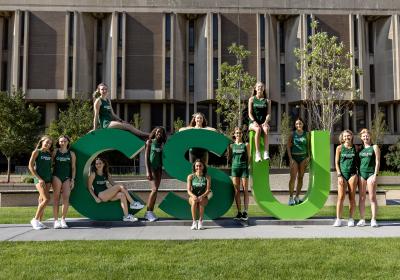 The Vikings kicked off the season with a sixth-place team finish, out of 15 colleges competing and 123 athletes.