CSU faculty urged to help shape new state-mandated policies, admin defends WCSB takeover
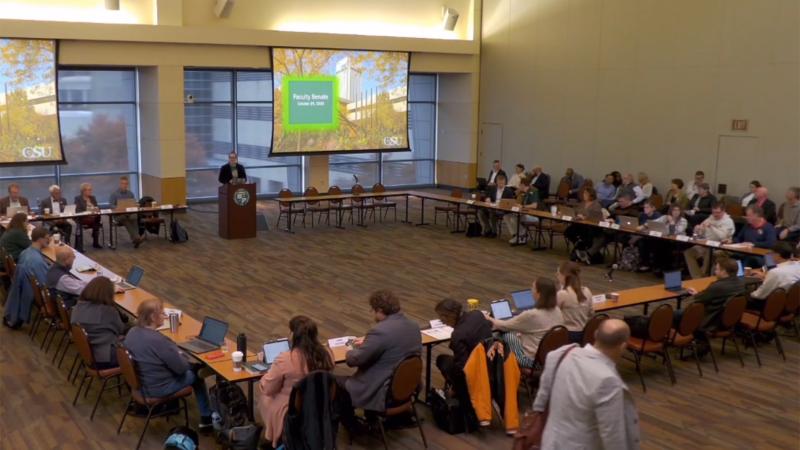
Cleveland State University faculty leadership issued an urgent call for more faculty input on sweeping new state-mandated policies during the third faculty senate meeting of the fall semester on Oct. 29.
The most pressing issue was the low number of public comments submitted on new policies required by Ohio’s Senate Bill 1, which will govern faculty workload, tenure, annual performance evaluation and retrenchment.
Faculty Senate President Carol Olszewski, Ph.D., said that only seven comments had so far been received and emphasized the critical nature of the moment.
“These policies really do affect our classrooms and our students and the way that we’ll carry out things probably for many years to come,” Dr. Olszewski said. “Public comment isn’t just a formality, it’s a record of who we are and what we stand for.”
CSU Provost Nigamanth Sridhar, Ph.D., provided details on the proposed workload policy, which would establish a new norm of a “3-3” teaching load (three courses per semester for tenured faculty) that the administration plans to implement in the 2026-2027 academic year.
He acknowledged the concern but framed it as a necessary shift for student success, pledging that any financial resources recovered from the change would be reinvested into hiring more full-time faculty.
Administration defends Ideastream takeover of WCSB
CSU President Laura Bloomberg, Ph.D., provided a key update on the university’s new strategic partnership with Ideastream.
On Oct. 3, CSU shut down Cleveland State’s WCSB, a non-commercial, student and community radio station that offered diverse programming including jazz, blues and experimental genres, and multilanguage programming. It handed control of content to Ideastream, which is now broadcasting JazzNEO on 89.3 FM.
Cleveland State and Ideastream are under fire in the community for the partnership, which handed the keys of the station to the public service corporation. Within Greater Cleveland pushback remains strong as former WCSB listeners, students, former and current DJs and staff, and local politicians voice their concern at the nature of the takeover.
Supporters of WCSB have created a petition which so far has over 3,400 signatures and the station has gained support from the Cleveland City Council, which resolved that "Ideastream public media and CSU leadership engaged in a hostile takeover" of 89.3 FM and urged CSU to "to fully restore WCSB radio to its students."
Pushing back, the administration told faculty that CSU recently hosted its first “strategy mini-summit,” which bridged Ideastream program leaders with deans and directors from the College of Education, College of Arts and Sciences and the School of Communication.
“We went from talking about what we have now to what’s possible, and the scope of it was quite broad and pretty inspiring to me,” Bloomberg said. “It included the fact that Ideastream is the largest public media outlet in the state of Ohio and the proximity of Cleveland State to Ideastream is just down the street.”
The discussions included opportunities not only within Cleveland but also with Ideastream’s more than 30 employees in Columbus who cover state policy.
Bloomberg said she stood by the university's decision while acknowledging after meeting students working at WCSB that they are not happy with the situation. WCSB supporters meanwhile have renamed the local cultural icon as XCSB, a play on WCSB canceled, while they wrestle with the implications of the university's unexpected and unasked for move.
“Every student who is engaged in exercising their free speech and expressive activity rights has done what is appropriate and ethical and acceptable, and I’m sure that the students affiliated with XCSB may not love hearing me say this, but I’m impressed with the professionalism that they have brought to their dissent,” Bloomberg said. “But at the same time, I do stand by the decision that the board made and that I made.”
The Cleveland State steering committee has agreed to meet weekly to advance the partnership, which it says is aimed to create academic and internship opportunities in journalism, radio and TV production, marketing and graphic design for students.
AI-powered 'Workday' chosen for system overhaul
President Bloomberg confirmed the university has selected Workday, the AI-powered enterprise platform as its new partner for a comprehensive overhaul of its enterprise resource planning (ERP) system. This multi-year transformation will impact all human resources, finance and student systems across campus.
“There is going to be change and transformation with completely pivoting our tech systems in HR, finance and student resources,” Bloomberg said. “We are working now to talk about a communication strategy so hopefully none of this takes anybody by surprise, I just want you to know that it is coming.”
Bloomberg said the university chose Workday due to its reputation and use by other major Ohio institutions, including the Cleveland Clinic.
Academic misconduct proposal withdrawn
A proposal to revise the university’s academic misconduct procedures sparked a lengthy and spirited debate, leading the Admissions and Standards Committee to withdraw it for further revision.
The proposed changes included adding new sanction options to the formal policy, such as requiring students to complete an academic integrity tutorial or re-do assignment for partial or full credit.
While administrators argued this would “infuse education into the process” and encourage more consistent reporting from faculty, several senators voiced strong skepticism.
“I will just predict that if faculty who are thinking about reporting academic misconduct think that they're going to be pushed into taking one of these two options, A or B, I think there's going to be less reporting of academic misconduct,” said law college co-interim dean Brian Ray, J.D.
Faced with these concerns over equity and consistency, the committee will rework the proposal.
Campus facilities and infrastructure updates
President Bloomberg announced that for their recruitment communications plan the renovation of Fenn Tower is on track to be completed and reopened as a first-year residence hall by fall 2026.
“I'm hoping that there'll be opportunities for some regular cadence of tours so people can come in and see the building so that you know what that's like and can talk about it,” Bloomberg said. “You will still see a beautiful ballroom and a beautiful game room and really gorgeous ironwork in the building, and at the same time, you'll see more fresh green and you'll see CSU branding in the halls, I'm pretty excited about it.”
The board of trustees is scheduled to tour the building in November with plans for broader campus tours to follow.
Bloomberg also detailed the $32 million renovation of research and teaching labs in Fenn Hall and the Science and Research Building.
She emphasized that a faculty advisory committee is actively working with architects on the design, but there won’t be any signs of active construction until May 2026 as the architects are working on other projects not related to CSU.
“I want to say that this is the single largest investment in research infrastructure this university has ever made,” Sridhar said. “The design process is grounded in the people that are going to be using this space.”
The next CSU faculty senate meeting will be held Dec. 3 at 3:00 p.m.
Recent News
"Best of" The Cleveland Stater spring 2026 #2
 This edition of "Best Of" The Stater features student artists and filmmakers, international student-athletes fostering a supportive community, and a podcast highlighting voices in POC communities.
Kent State honors fashion icon, Fern Mallis shows what CSU could have

When fashion icon Fern Mallis is inducted into Kent State University’s School of Fashion Hall of Fame this May, students there won’t just be reading a
The Cleveland 'Sex and the City' spring itinerary
 Of course Cleveland is the new Manhattan! You've just landed in the city. You've got 12 hours to take it in. This is the perfect itinerary for you.
CSU student films to show at this year’s CIFF
 Film and media arts students Elliot Lanzer and Malakee McGuire will see their student-produced works on the silver screen at this year's Cleveland International Film Festival, the 50th anniversary of the renowned regional showcase.
Lacrosse falls to LIU in overtime heartbreaker at NEC semifinals
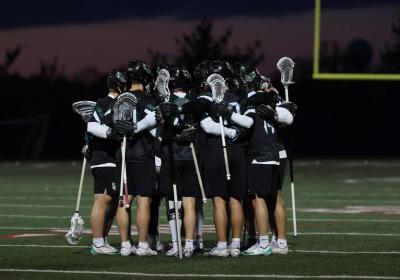 It was the Vikings first appearance at the NEC tournament and bookended the 2026 season for the Green and White, who put up a 6-8 record overall.
CSU women’s tennis secures share of HLTennis regular season title after Oakland win
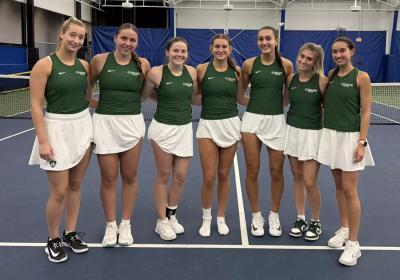 The Vikings ended their regular season with a 4-3 win at Oakland, claiming a share of the Horizon League Regular Season Championship.
Cleveland Magazine staff share industry insights with CSU students
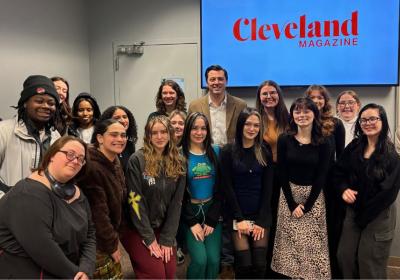
Cleveland State University students got an inside look at the evolving media landscape when staff members from Cleveland Magazine<
The Stater Scoop - Women's History Month
In this Women's History Month edition of The Stater Scoop, Cleveland Stater staff members Nicole, Kirsten and Morgan discussed how their identities as women have impacted their lives.
Rising student demand and the CSU Counseling Center
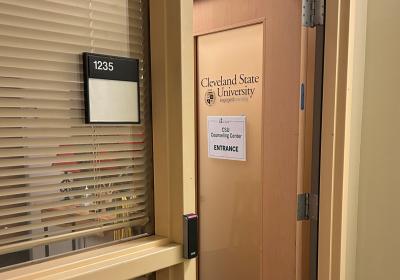 As mental health needs grow on campus, CSU officials outline how students are prioritized and connected to care.
Northeast Ohio’s drag scene is losing its own talent

A few years ago, a weekend in Northeast Ohio meant juggling drag shows across Lakewood, Cleveland and Akron.
CSU lacrosse defeats Wagner 10-9
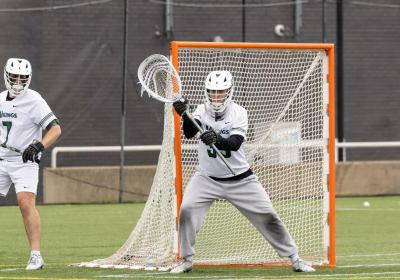 Cleveland State (5-5, 3-1) used the second half to come from behind and secure a win against visiting Wagner (4-6, 2-2) Saturday afternoon.
CSU women's tennis drop close match to Milwaukee 4-3
 The Vikings took the early lead Saturday, but the host Panthers rallied late to secure a narrow victory.
CSU women's basketball falls to Arkansas State in WNIT Great 8
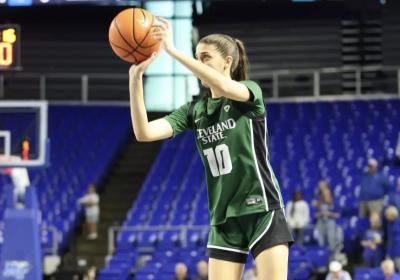
The Cleveland State University women's basketball team had its 2025-26 season come to a close Monday, March 30, as they dropped a 71-53 contest at Arkansas State in the WNIT Great 8.
One wall, one challenge
 Looking up at the climbing wall for the first time, I suddenly understood why rock climbing is as much about your mind as it is about your body.
CSU hosts Special Olympics basketball event for local students
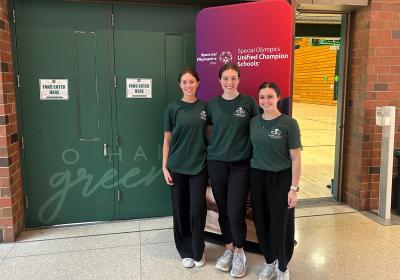 Volunteers and athletes connected through inclusive activities, building skills, confidence and community ahead of future events in Cleveland.
CSU Faculty Senate reviews budget model, technology overhaul
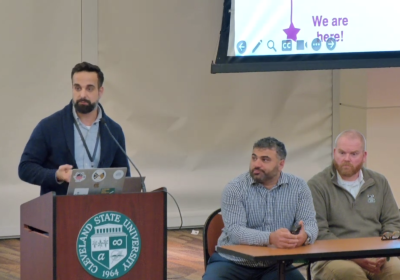
Cleveland State University received updates on a new budget model, technology initiatives and upcoming state requirements during the March 18 Faculty Senate meeting.
CSU senior to host benefit show at Treelawn Social Club
 “This concert has become a way for all of us to come together for one night and carry on the music in their honor,” said Anna Skalicki, a senior CSU studio art major.
SU men’s basketball drops regular-season finale to Robert Morris
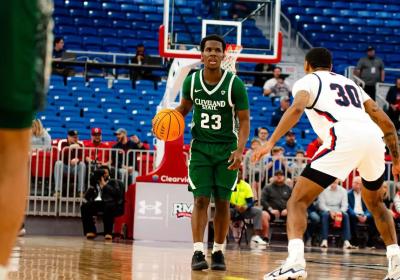
Cleveland State men's basketball (10-21, 6-14) closed out the regular season with a loss at Robert Morris (21-10, 13-7) 83-64 on Saturday, Feb. 28.
CSU graduate student’s research offers hope for blood disorder patients
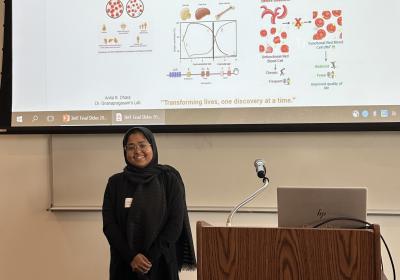 Ph.D. candidate Anita Dhara studies how molecules in red blood cells could help patients with sickle cell anemia and beta thalassemia breathe easier and reduce painful symptoms.
CSU tennis hosts Youngstown Friday after narrow IU Indy loss
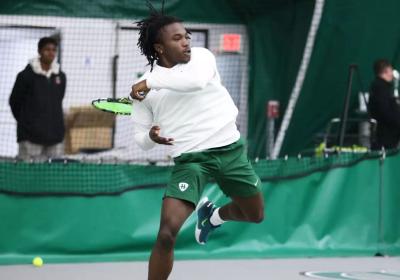 The Vikings fell just short in Horizon League play, dropping a touch match to IU Indy 4-3. Next up, CSU hosts Youngstown State Friday.
"Best Of" The Cleveland Stater spring 2026 #1
 This edition of the “Best of” the Stater features a beloved Cleveland entertainer, Black History Month, parking problems at CSU, a student written and directed play, and whether LinkedIn matters for students.
CSU plans new gallery to expand student opportunities

Cleveland State University is moving forward with plans to open the Galleries at 13th Street.
Vikings finish 8th at Horizon League championship meet

The Cleveland State University indoor track and field team closed out the 2026 Horizon League Championship on Sunday, placing eighth overall after two days of competition at Youngstown State.
Students for a Just Society launches at CSU
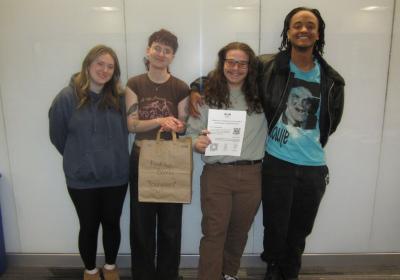 The new student organization aims to build student-led organizing, foster political education, and connect Cleveland State students with regional activism efforts.
Commentary: Student rights and campus safety in the age of ICE
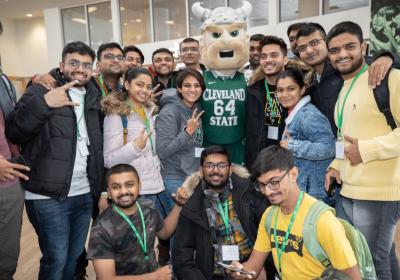 CSU students need clear information about their rights and safety as immigration enforcement in Ohio and nationwide raises concern, particularly for international and migrant students.
Don't miss the the student-run CSU Chamber Collective
 The concert March 6 in Drinko Recital Hall will showcase student initiative, creativity and collaboration across the School of Music.
The Stater Scoop - Episode 2
For the second episode of The Stater Scoop, we're celebrating Black History Month with CSU’s Black Student Union!
Building belonging: How one student athlete created a space for many
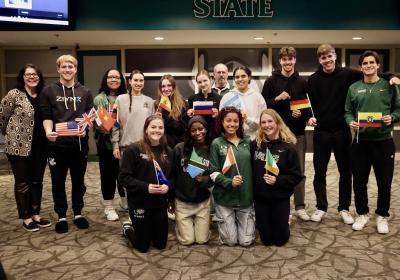 After navigating taxes, visas and internship barriers as an international student from Ireland, Ellie Mickibbin founded a dedicated support system to help future student-athletes adjust and succeed.
CSU faculty discuss emeritus policy, Workday, facilities at Senate meeting
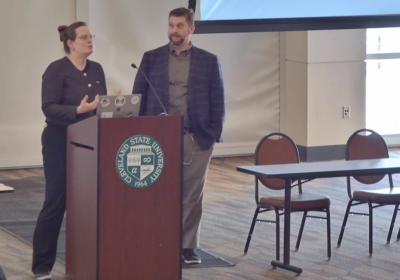
Cleveland State University faculty reviewed proposed changes to emeritus and retirement policies, received updates on the university’s Workday transition and heard extensive reports on campus facilities during the Feb.
The Stater Scoop - Episode 1
We’re excited to announce a new podcast from The Cleveland Stater – The Stater Scoop! Each episode, we’ll welcome different guests from around campus to talk with members of our newsroom.
Seiter wins 1-m springboard title at at Horizon League Championship
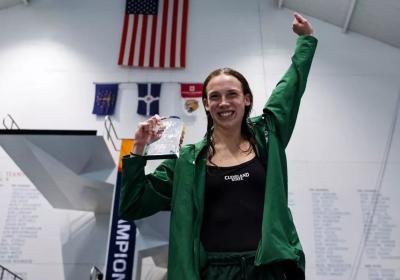 Sophomore Ellie Seiter captured Cleveland State’s only Horizon League title of the meet, winning the 1-meter diving event with a score of 294.35.
CSU men’s swimming finishes 5th at Horizon League meet

The Cleveland State University men’s swimming and diving team placed fifth at the 2026 Horizon League Swimming and Diving Championship, totaling 391 points when the four-day meet concluded Saturday.
CSU grad builds a brand and career in music marketing
 Alexis Figlar graduates from Cleveland State in 2023. Since then, she's turned internship connections, a self-made portfolio and a personal art business into a growing career in Cleveland’s music industry.
Greek letters signify Black excellence at CSU
 Sorority Zeta Phi Beta and fraternity Phi Beta Sigma are two organizations at Cleveland State which embody the achievements of Black students, highlighting the excellence that Black History Month honors every year.
CSU graduate student aims to improve Lake Erie's water quality
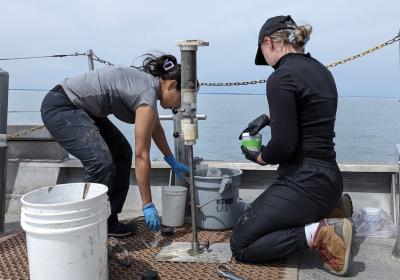 Anshula Dhiman is studying the causes of algae blooms. Her research explores how nutrients in lake sediments drive harmful summer blooms which impact water quality.
Student play “Journey West” debuts at playwright's festival
 “‘Journey West’ is a nonconventional Western, it’s pseudodisguised as a Western,” said writer Michael Anderson. “It’s not what you would typically expect."
CSU women’s basketball earns 57-52 victory at Robert Morris
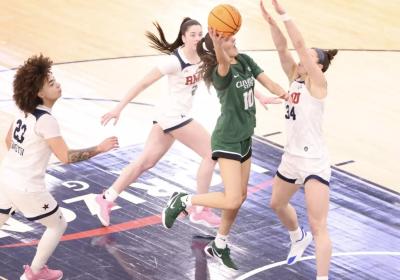 The Vikings picked up their 20th win of the season, with highlights from Colbi Maples and Izabella Zingaro.
Nearly 100 employers connect with students at CSU Career Fair
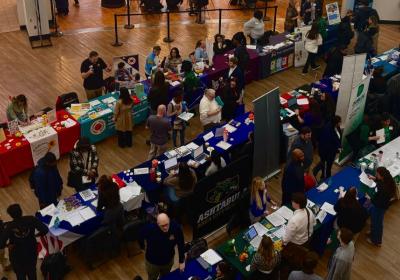 More than 900 students registered to attend the fair, networking with dozens of Cleveland and regional businesses and institutions, which are offering internships and employment opportunities from casual work to full-time jobs.
Paying the price: when street parking stops making cents
 The City of Cleveland’s decision to hike parking rates across the city, and around campus is turning a once-affordable alternative for CSU students into yet another financial burden.
Cleveland State men's tennis earns 4-3 victory at Ball State
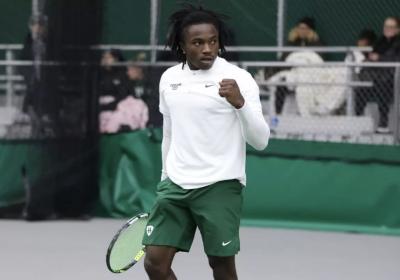
The Cleveland State men's tennis team was back in action Saturday, battling to a thrilling 4-3 victory at Ball State in Muncie, Indiana.
Commentary: Has social media broken Cupid’s arrow?
 College has always been about getting your degree. Possibly getting the Disney fairytale ending and finding your forever partner was also on the curriculum for many. But what does Gen Z want from the day?
Immigrant embraces the America that has embraced her
 Beloved Cleveland entertainer Bella Sin shares how living undocumented impacted their survival, self-identity, and quest for belonging in America. “Queer nightlife gave me a place to be fully myself, loved and accepted."
CSU track & field shines at Jud Logan Invitational
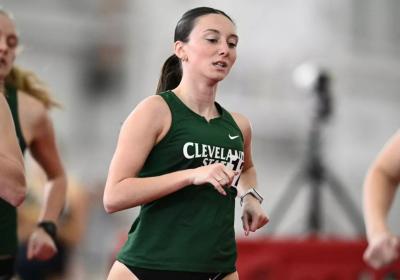
Cleveland State University track and field put together a strong showing at the fifth Jud Logan Light Giver Open, hosted by Ashland University in Ashland, Ohio, Feb. 6.
CSU women’s tennis falls 4-3 to Temple
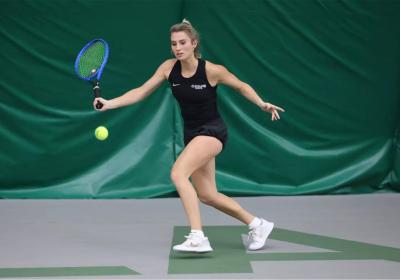
The Cleveland State women’s tennis team on Sunday finished its Morgantown, West Virginia road swing with a narrow 4-3 loss against Philadelphia's Temple University.
Does LinkedIn really matter for college students?

Students might not seriously consider LinkedIn until their final year of college, when graduation suddenly feels close and the pressure to find a job becomes real.
Residence Life hosts trivia night at Viking Marketplace
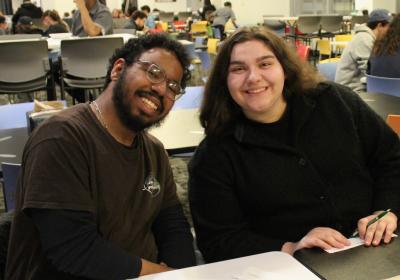 “It gets a lot of different students together, encourages them to talk to people they wouldn't otherwise talk to and just have a good time,” said Kaleb Roberts, a sophomore resident assistant.
CSU College of Law introduces “Fundamentals of Prompt Engineering for Lawyers”
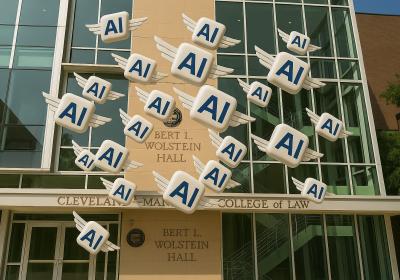 Co-Interim Dean, Brian Ray, explains the new specialized AI-focused training course as Cleveland State moves to integrate artificial intelligence into its teaching.
CSU students walk out to protest ICE
 The students joined the nationwide strike Friday against the Immigration and Customs Enforcement agency, following confrontations in several major cities in recent months, and the killing of two U.S. citizens in Minneapolis.
CSU faculty urged to prioritize SB1 compliance, enrollment strategies as spring semester begins
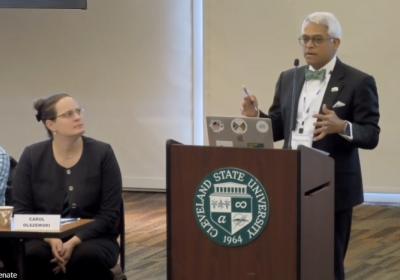 Cleveland State University faculty were encouraged to prioritize course accessibility, student retention and strategic enrollment efforts during the first Faculty Senate meeting of the spring 2026 semester, held Jan. 21.
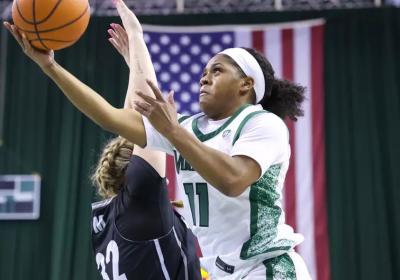
Student speak up on CSU socials about university weather alerts
 “We take feedback into account for sure, but the decisions that we make keep the safety of our campus community foremost, in terms of our people being able to get to campus safely,” said Nigamanth Sridhar, Ph.D., CSU executive vice president and provost.
Former WCSB general manager says lawsuit signals a wider fight for college radio
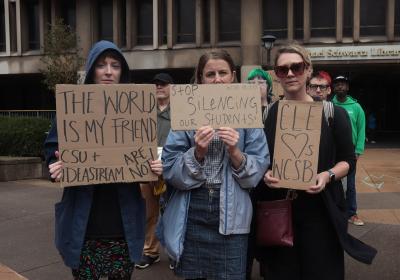 Alison Bomgardner spoke after she, WCSB and Friends of XCSB were named as the plaintiffs in a lawsuit filed Monday suing Cleveland State University for handing its student and community-run radio station to Ideastream Public Media.
Snow puts a dampener on first week back for CSU
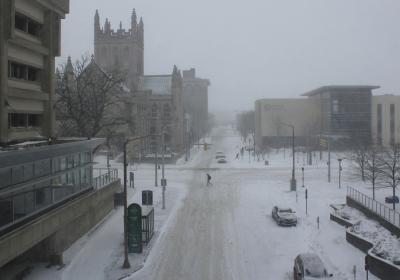 By KIRSTEN KIMBLER – posted January 16, 2026 Cleveland State University canceled all classes and closed business offices Thursday due to extreme weather conditions.
"Best Of" The Cleveland Stater fall 2025 #3
 This edition of the “Best of” the Stater features an interview with CSU President Laura Bloomberg, Ph.D., Thanksgiving festivities at CSU, underground student fashion in Cleveland, an Umoja event, and the hapless Cleveland Browns.
Why WCSB matters to me
 During my second semester at Cleveland State University, in February of 2025, I took the leap into college radio. It changed my life – then the station was taken over.