Immigrant embraces the America that has embraced her
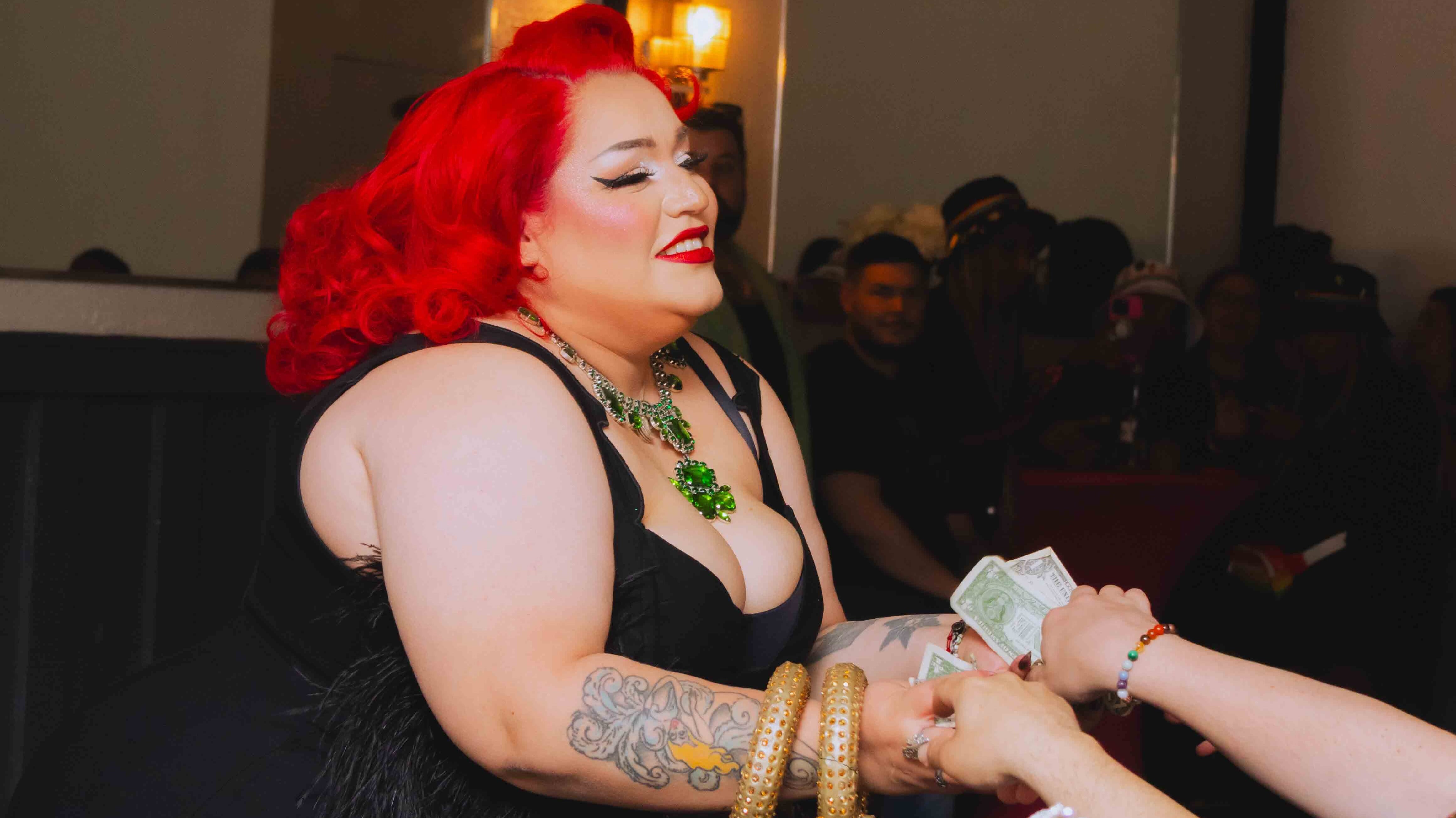
Bella Sin left Juarez, in Chihuahua state, Mexico, and arrived in America in 2000, joining the millions of other immigrants battling fear and uncertainty in search of a new life. Now a naturalized U.S. citizen, she speaks of the years spent navigating unfamiliarity and grappling with a sense of belonging.
Sin escaped violence and instability after a sudden marriage between her mother, who brought her daughter to the U.S., and a U.S. citizen in the state of Colorado.
“I knew for a long time that my mother’s goal was to find a better life for us,” she said. “But it wasn’t exactly the better that we thought.”
After they settled in a small apartment in Denver, Sin began to experience the isolation and pressure common to many immigrant families, balancing English-language learning and the emotional strain of adapting to a new country.
The ways Sin navigated her life as an undocumented immigrant shaped every interaction and influenced her to be constantly aware that this was due to her status. Between balancing her Mexican heritage and U.S. expectations, Sin often felt caught between two worlds.
“I was told as an immigrant that you must assimilate,” she said. The feelings of being less than followed Sin as she continued to experience the persistent sense of exclusion.
Sin explained how her immigration status followed her into nearly every institution meant to provide support. Seeking healthcare was often impossible, as her family did not qualify for assistance despite living in the United States with permits during a lengthy processing period. After her mother’s divorce in 2004, the lack of access to resources forced the family back into an abusive environment. Even contacting the police became a risk.
Questions about her status were constant, from schools to workplaces, reinforcing fear and instability.
“It was always present almost like a shadow,” Sin said. The uncertainty surrounding Social Security and legal recognition left Sin feeling suspended between systems that demanded compliance but offered little protection.
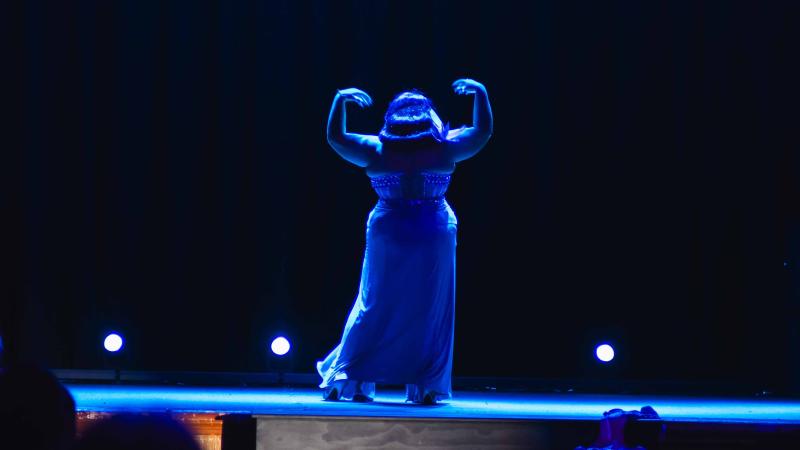
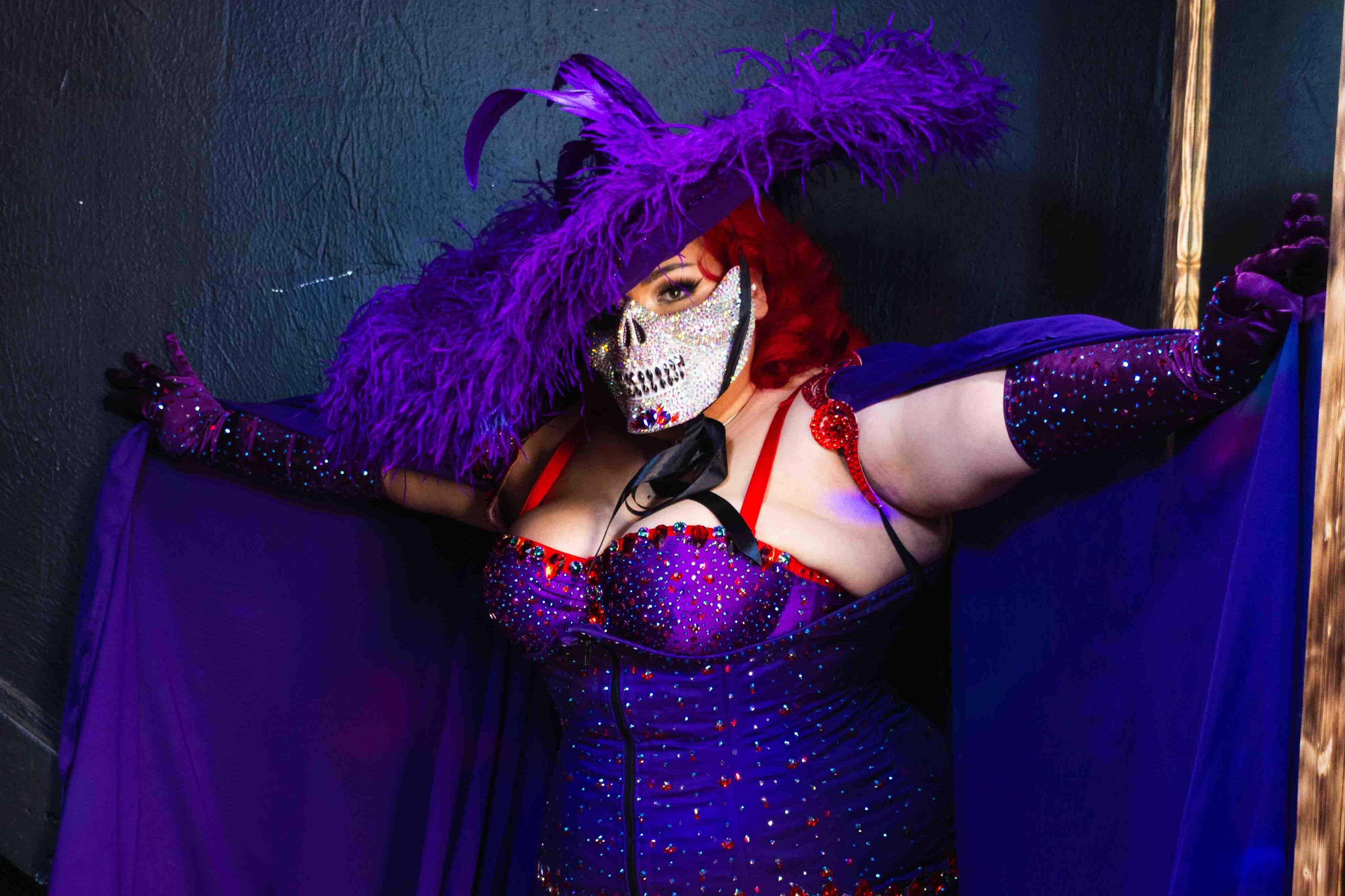
After realizing the cultural diversity in America, Sin began to discover spaces that offered the acceptance she desired.
“Queer nightlife helped me find myself,” she said. “It gave me a place where I was fully me, loved and accepted.”
This became more than just nightlife; it became a place where Sin could reclaim parts of herself, such as her heritage and body image, that years of fear and assimilation almost suppressed.
Other supportive outlets, such as the Mosaic club in Denver and local libraries, provided sanctuary and helped her explore skills that once sustained her as an artist and person.
Even with the documentation through her mother’s marriage, life was far from easy. Sin experienced severe depression and grief after her mother died in 2021.
“The history of the United States is filled with stories of immigrants being persecuted,” she said. The fear of Immigration and Customs Enforcement (ICE) fear tactics and xenophobic attacks on her community shaped her daily life.
Sin eventually learnt to confront the long-standing mental health struggles since becoming sober in 2018 and seeking therapy as a necessary tool for survival.
Individual counseling, sobriety support, grief groups and performing offered her a sense of release and grounding. Repetitive, detail-oriented tasks such as rhinestoning costumes, reading and research help her focus while humor remains a daily coping mechanism.
“We joke about the worst and hope for the best,” Sin said.
Sin describes this as resilience shaped by culture, survival and care for her son, who she said continues to move her forward.
Securing U.S. citizenship in 2024 was not only a milestone for Sin, but an affirmation that citizenship is about perseverance, values, and personal choice. Her journey redefined for Sin that her American identity was an act of commitment, self-determination and embrace of the country that had given refuge to her family
She advises other immigrants navigating uncertainty to educate themselves on their rights, protect legal and personal affairs, and never lose hope.
“This journey has shaped me. I have survived, I have grown, and I have chosen to make this my home,” Sin said.
Recent News
More than a major: Finding your voice in communications
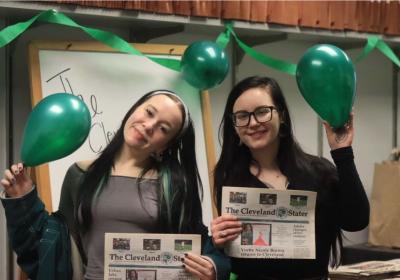 For students studying journalism, public relations and communications, there is more than one way to find their voice and build a career.
“Best of” The Cleveland Stater fall 2026 #1
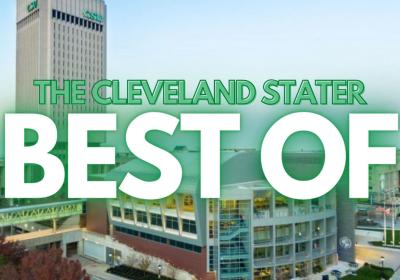 In this edition of “Best of” The Cleveland Stater, we examine Flock cameras, CSU’s new meal-swipe system, the opening of the Glick Recovery Campus, CSU’s Around the World in 80 Minutes event, and the main water break that temporarily affected some campus operations.
CSU students spend 80 minutes going around the world
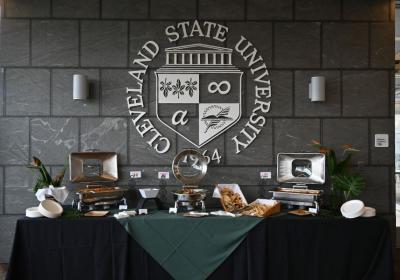
By KARINA TORRES - September 24, 2026
The Center for Campus Engagement hosted the cultural event for students to attend and try food from various countries while enjoying live music.
CSU PRSSA dine-to-donate fundraiser at The Fruit Stand
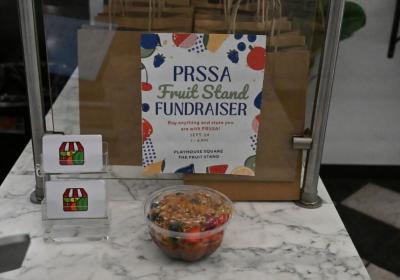
By KARINA TORRES – posted October 7, 2026
CSU PRSSA hosted a one-day fundraiser at The Fruit Stand to raise money for PRSSA's future events.
CSU and regional partners host 3rd annual College Fest
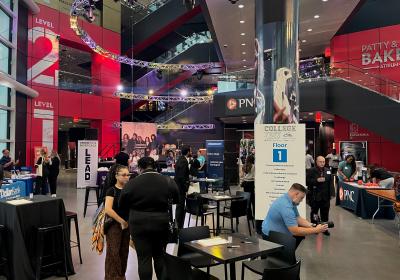
More than 900 students from 30 different regional institutions networked with around 80 employers at the 3rd annual College Fest, held at the Rock and Roll Hall of Fame, Sept. 9, 2026.