
Midterms: Does spending more money lead to more votes?
Political advertisements have become increasingly difficult to avoid as the Nov. 3 midterm election approaches. From billboards on the side of the road to advertisements on television and social media, political messaging seems to be everywhere.
But how do political campaigns raise money to fund their advertisements, and does spending more money on campaign ads lead to more votes?
How campaigns raise money
Political Action Committees (PACs) play a major role in helping campaigns raise money to fund advertisements and other campaign-related activities. Supporters of a candidate can contribute money to PACs, which can then donate up to $5,000 per election to a candidate. Since candidates can receive donations from multiple PACs, these contributions add up and provide campaigns with additional funding. Because PACs operate in different ways and are subject to different regulations, it is important to distinguish between traditional PACs, Super PACs and Dark PACs.
Super PACs
Unlike traditional PACs, Super PACs can raise unlimited funds of money for a campaign to either support or criticize political candidates through advertisements or other campaign-related activities. Contributions to the PAC that exceed $100 must be given as a check. Super PACs are also required to report their donors to the Federal Election Commission (FEC).
Dark PACs
Dark PACs, also known as dark money, are different from Super PACs because the donors are not specified. Money gets donated to a nonprofit organization, who then uses the money to support a candidate’s campaign. Because the money is donated to a nonprofit, the names of the donors do not become known to the public. But like Super PACs, Dark PACs can also raise an unlimited number of funds for a candidate’s campaign.
Does more money lead to more votes?
Spending more money on campaigns does not guarantee more votes. But for the past six governor elections in the state of Ohio, the candidate who spent more money has won the election five times. The exception was in 2018. Richard Cordray’s (D) campaign spent $3 million more than Mike Dewine’s (R). However, Dewine won by more than 150,000 votes.
2026 PACs
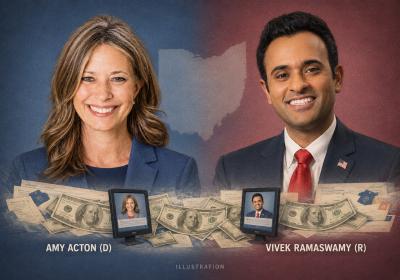
As of Oct. 28 heading into Tuesday's election for Ohio governor, Rep. Vivek Ramaswamy’s campaign has spent $35 million compared to Dem. Amy Acton’s $20.6 million.
PACs that have supported Ramaswamy’s campaign include American Electric Power, Elevance Health and the Ohio branch of the National Federation of Independent Businesses. Acton’s PACs include the Ohio Hospital Association, Columbus teachers and the Ohio life sciences industry.
What's next?
Whether Acton can buck the buck or Ramaswamy’s spending advantage translates to a victory will be decided on Tuesday.
Recent News
Midterms: What Cleveland residents want candidates to address
From rising rent and grocery prices to health care costs and public transportation, affordability remains a major concern for people trying to make ends meet.
Walking for awareness of breast cancer
Miles are usually measured in sweat, but at Cleveland State University on Oct. 15 they were measured with purpose and a path towards healing.
“Best of” The Cleveland Stater fall 2026 #1
 In this edition of “Best of” The Cleveland Stater, we examine Flock cameras, CSU’s new meal-swipe system, the opening of the Glick Recovery Campus, CSU’s Around the World in 80 Minutes event, and the main water break that temporarily affected some campus operations.
Midterms: The policies and controversy of the Ohio governor's race
 Having last minute voter anxiety? Read up on the candidates running for governor of Ohio, Democrat Amy Acton and Republican Vikek Ramaswamy.
Midterms: Does spending more money lead to more votes?
Political advertisements have become increasingly difficult to avoid as the Nov. 3 midterm election approaches.
Midterms podcast: Cleveland Stater editors discuss the issues ahead of Tuesday's election
 Cleveland Stater editors discuss the upcoming midterms, including the race for Ohio governor, which pits Amy Acton (D) against Vivek Ramaswamy (R), and the race for the U.S. Senate, in which Sherrod Brown (D) is competing with Jon Husted (R).
Midterms: CSU student hosts The Ballot, A fight for education
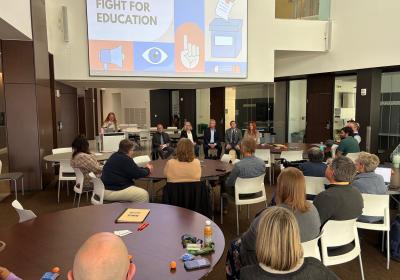 Ahead of next week's midterms, Alissa Burkholder, an Aspiring Educator, moderated The Ballot: A fight for education, featuring five speakers who discussed current issues education in Ohio is facing and how Tuesday's election could affect them.
Midterms opinion: Campaign ads suggest some people aren't fit for office
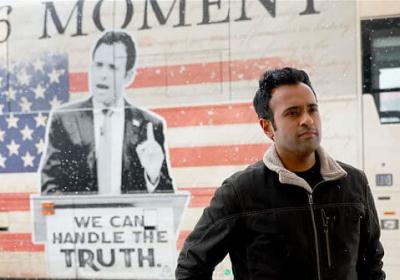 Vivek Ramaswamy's attack ad. featuring his opponent's estranged mother shows that no low is too low for some people. The ad tells us a lot more about the person behind the ad than Amy Acton, target of the attack.
Midterms: Meet the candidates for federal and Ohio state office
Ohio voters are heading to the polls on Nov. 3 to elect candidates in the 2026 midterm elections. Major races include the U.S. Senate and governor.
Beyond the Plate: With Chef Douglas Katz
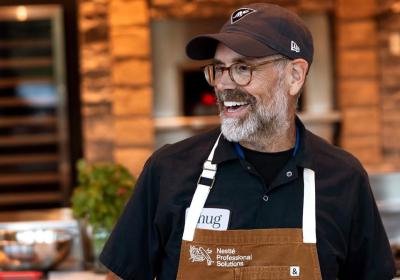
On this episode of The Stater Scoop, host Alexis Stradford, sits down with James Beard Award outstanding restaurateur semifinalist Chef Douglas Katz. The conversation that followed was an intimate look into his culinary journey.
CSU hosts wellness walk to promote student-athlete mental health
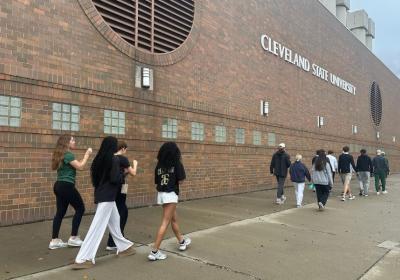 Student-athletes from all sports gathered for the event, which focused on reducing stigma and encouraging athletes to seek support.
Ten Kings of Hell: The Afterlife in Medieval Korea
 The Cleveland Museum of Art partners with the National Museum of Korea to showcase “Ten Kings of Hell: The Afterlife in Medieval Korea”
Women's soccer holds off Green Bay, drops home closer to Milwaukee
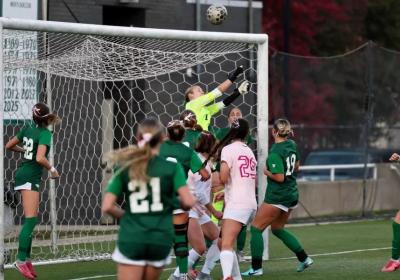 Goalkeeper Senior Hayleigh Lewis made a penalty kick save and a diving save during the Vikings' game against Green Bay.
Delventhal records 1,000 career digs in CSU's 3-1 loss to Oakland
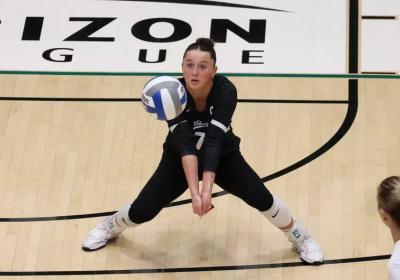 As a team, the Vikings combined for 11 blocks, including six from Julia Jozefov and five each from Sariyah Glanton and Sophie Butler.
Cavs fans look ahead to the 2026-27 season
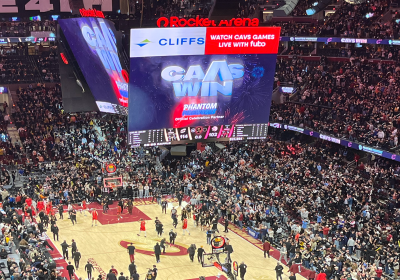 Fans of the hometown Cleveland Cavaliers talk offseason moves and expectations for the upcoming season.
Symphony at Sunset plays an encore to its summer season
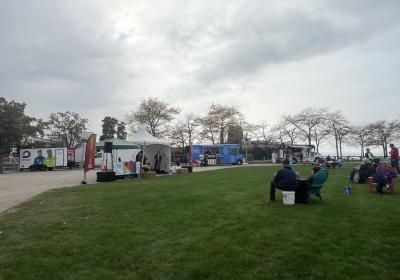 The Symphony at Sunset concluded its summer series of concerts with an Autumn Encore, much to the delight of fans.
CSU men’s swimming and diving takes third at Zips Classic
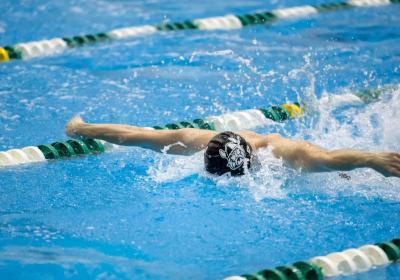
Cleveland State University men’s swimming and diving team claimed third place at the Zips Classic in Akron, Ohio, after two days of competitive performances in the pool and on the diving board Oct. 16-17.
CSU women’s swimming and diving finishes 4th at the Zips Classic

Cleveland State University women's swimming and diving finished fourth of five teams competing at the two-day Zips Classic, hosted by the University of Akron, Friday and Saturday.
CSU volleyball drops two matches at Milwaukee
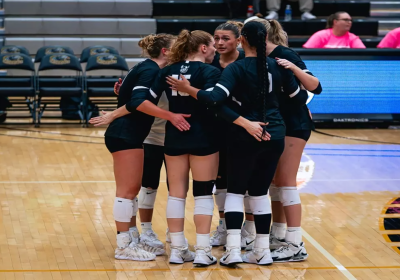 Volleyball struggled in its weekend series against Milwaukee, losing in straight sets on Friday, and dropping a five-set thriller on Saturday.
At IngenuityFest, ‘America Dreams’ through art, technology and imagination
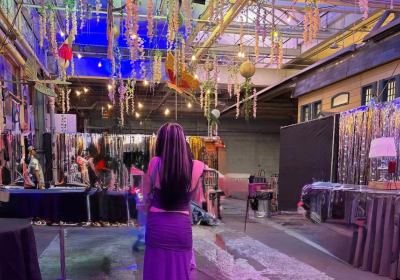
What does America dream about?
At IngenuityFest, the answer wasn’t exactly straightforward.
CSU honors Constitution Day with visit by former Ohio AG
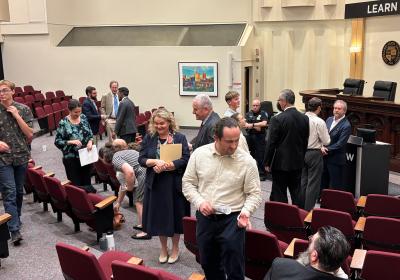 Former Ohio Attorney General Dave Yost spoke to students about the Supreme Court's shifting position on the separation of church and state.
Midterms: Senate candidate Greg Levy addresses CSU students
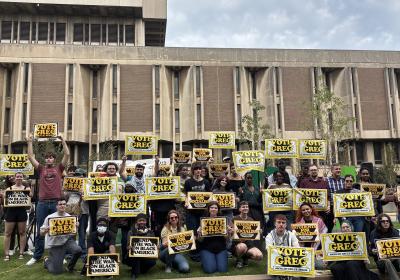 Ahead of the Nov. 3 midterms, Ohio senate candidate Greg Levy spoke to CSU students about the possibility of real change for the good of the community.
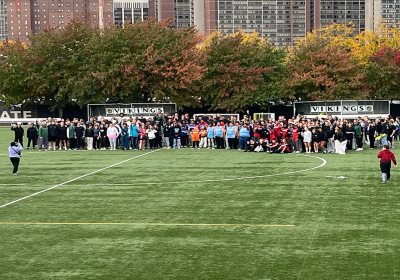
$10 million Ahuja family and foundation gift will transform business education at CSU
 The gift will transform how CSU prepares tomorrow’s business leaders, and Cleveland State will rename the business college the “Ahuja College of Business and Entrepreneurship" to honor the family.
People of CSU - Madison Luthy finds her stride in science and sport
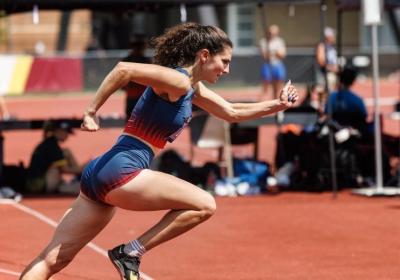 The Cleveland State doctoral student balances biomedical engineering research with competing in the women's decathlon, returning to a sport she once thought she had left behind.
CSU’S BIG Band opens semester with jazz concert
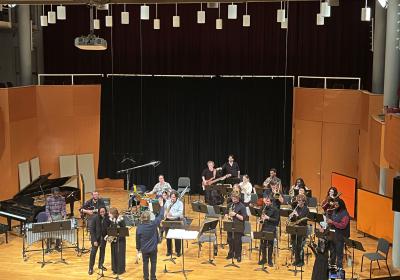
The Cleveland State University BIG Band opened its first concert season Oct. 5 with a performance at Drinko Recital Hall, featuring student musicians and a variety of jazz styles ranging from swing to soul to mambo and New Orleans jazz.
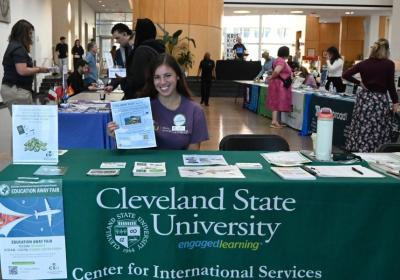
Women’s soccer shuts out Detroit Mercy 1-0
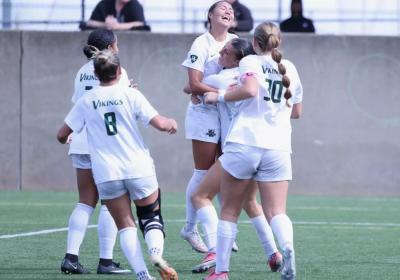
Cleveland State women’s soccer defeated Detroit Mercy 1-0 on Saturday, earning its third Horizon League win of the season.
CSU announces free tuition plan for eligible Ohio students
 Cleveland State University on Friday unveiled the Cleveland State Commitment, a new program that will cover tuition for eligible Ohio students beginning in fall 2027.
CSU men's club hockey win home opener 13-7
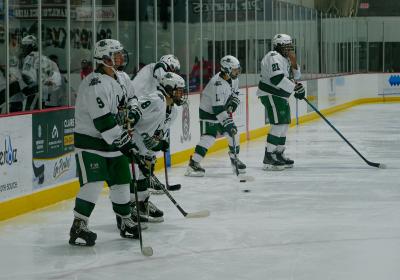 The CSU Vikings men’s club hockey team on Saturday won its home opener against the Robert Morris Colonials.
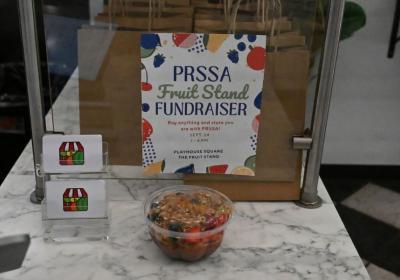
CSU PRSSA dine-to-donate fundraiser at The Fruit Stand
By KARINA TORRES – posted October 7, 2026
CSU PRSSA hosted a one-day fundraiser at The Fruit Stand to raise money for PRSSA's future events.
CSU students showcase undergraduate research
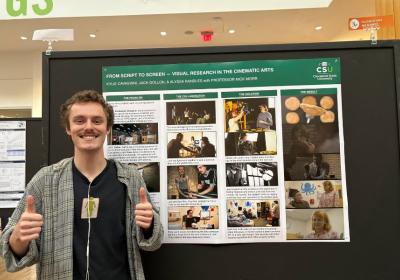 The poster session highlighted the range of research and work students are doing across the university, from work on film sets to a focus on Cleveland's history.
Six runners finish with a season best at the Joe Piane Invite
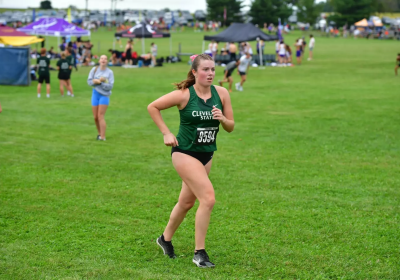 The Vikings had a good outing at the event in South Bend, Indiana, with six athletes running season best times.
Get to know the CSU Esports team
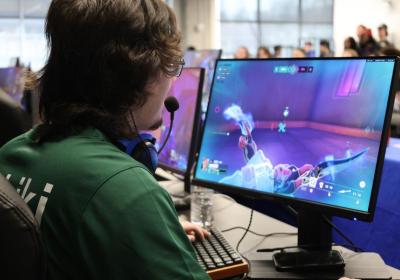 A behind-the-scenes look at who’s on the CSU Esports team. They share their experiences on the team and their hopes for its future.
Learn about the markets at the Viking Trading Lab
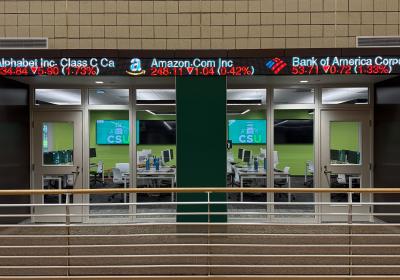 New to Cleveland State this semester is the Viking Trading Lab, a classroom with computers running the latest electronic trading and financial software. It's open to all CSU students who want to learn about markets and how to navigate them.
Is Carson Hocevar too aggressive for his own good?
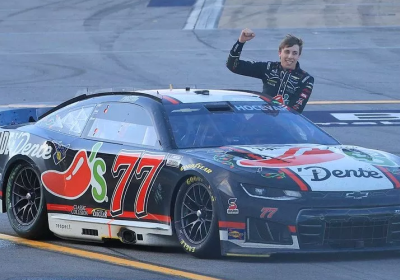 Carson Hocevar celebrates after his first career win, at Talladega Superspeedway on April 26, 2026.
XCSB holds flea market fundraiser
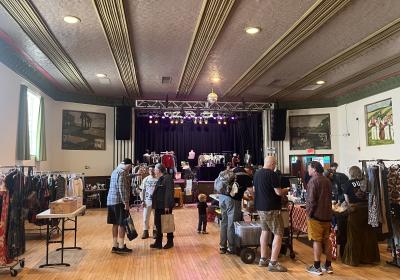 XCSB, Cleveland’s new alternative media station and successor to CSU's shuttered WCSB hosted a flea market fundraiser at the Beachland Ballroom and Tavern to raise money so the station can continue to serve the community.
More than a major: Finding your voice in communications
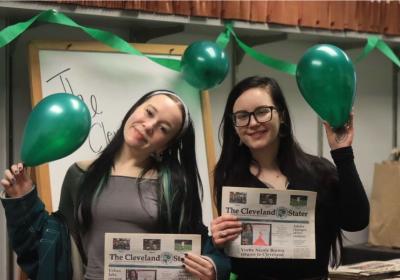 For students studying journalism, public relations and communications, there is more than one way to find their voice and build a career.
EXPLAINER: Why Flock cameras are getting creepy
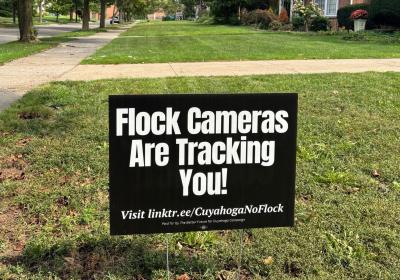 Mounted on poles across cities and suburbs, Flock cameras collect license plate information and vehicle characteristics sparking an ongoing debate over privacy and surveillance.
Men’s tennis falls short at the Horizon League Individual Championships
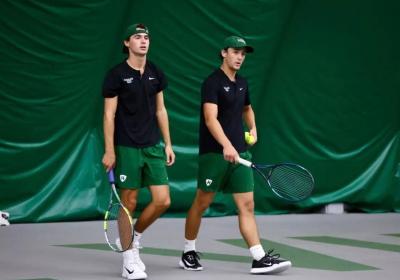 Members of Cleveland State men’s tennis advanced to the semifinals and finals, but missed out on the win.
CSU Volleyball falls to Purdue Fort Wayne to open 2026 Horizon League play
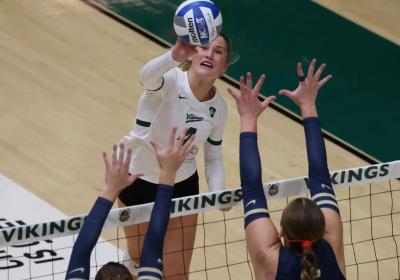 Cleveland State finished the Horizon League Play Opener 0-2 this past weekend, losing both its matches on the road to Purdue Fort Wayne.
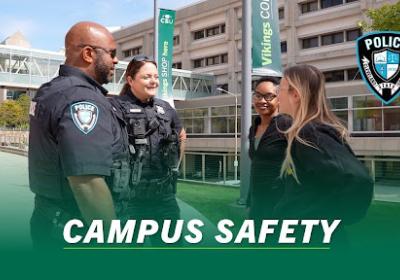
CSU’s new meal-swipe system changes how students eat on campus
 The university says the $5 cash-equivalency system offers more flexibility, but some students say they are using retail dining less as a result of its implementation.
The Jagged Little Pill, a musical for all who live and learn
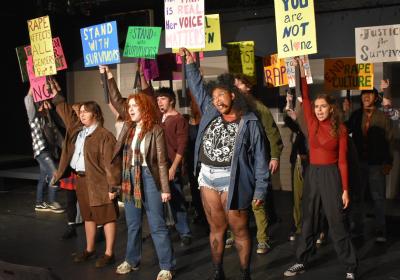 Alanais Morissette's Broadway musical made its regional debut at the Broadview Heights Spotlights community theater on Sept. 18, 2026, playing to a sold-out audience.
Women's tennis opens fall 2026 at the Betsy Kuhle Invite
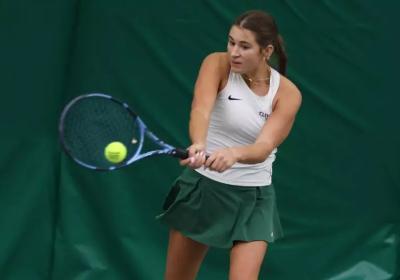 Cleveland State women's tennis began their season at the Betsy Kuhle Invite with two days of solid performances from the team.
Women’s Soccer opens league play with a win against Oakland
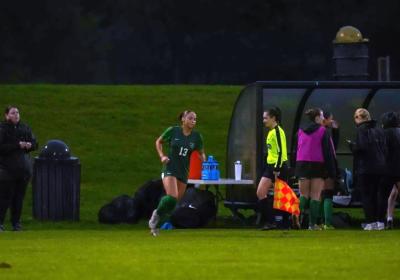 Sophomore Ryleigh Alcala was named the Under Armour #HLWSOC Offensive Player of the Week after scoring both goals in CSU's 2-0 victory over the Golden Grizzlies.
CSU students spend 80 minutes going around the world
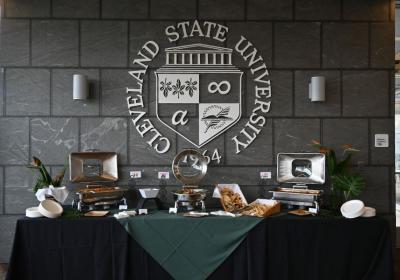
By KARINA TORRES - September 24, 2026
The Center for Campus Engagement hosted the cultural event for students to attend and try food from various countries while enjoying live music.
CSU reopens Student Center, Berkman Hall following water break

By ALEXANDER GIAMPIETRO - posted September 25, 2026
Cleveland State University on Wednesday reopened the Student Center, the hub of campus life, after a Cleveland City main water break on Monday caused flooding on part of campus Monday, and forced the closure of the SC and Berkman Hall Tuesday.
The life of a CSU ball shagger
 Two Cleveland State student-athletes share what it’s like to work the sidelines, chase down balls and get a different view of CSU athletics.
Guardians fans react to the 2026 season and look ahead to the postseason
 Guardians fans talk about how key additions to the lineup can help the team make a run in the postseason.
Flock cameras remain in Cleveland and near campus despite community pushback
 Across the city of Cleveland, Flock cameras are watching intersections. However, the Cleveland City Council is reconsidering the program following pressure on social media and from the community.
CSU and regional partners host 3rd annual College Fest
More than 900 students from 30 different regional institutions networked with around 80 employers at the 3rd annual College Fest, held at the Rock and Roll Hall of Fame, Sept. 9, 2026.
CSU men’s soccer shuts out Detroit Mercy 2-0
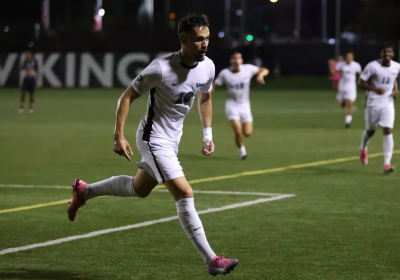 Djorde Petrovic (10) scored both goals in the home game Saturday, Cleveland State's first Horizon League win of the year and second clean sheet of the season.
For the love of fashion: with Aimon Ali
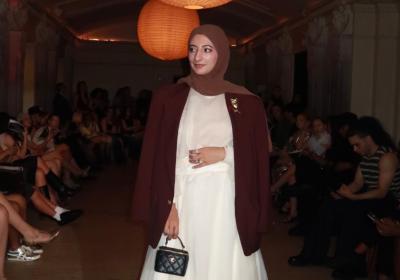 Fashion Talks Foundation founder Aimon Ali joined The Stater Scoop to discuss the inner workings of the fashion industry with host Alexis Stradford.
Browns fans sound off on Deshaun Watson at quarterback
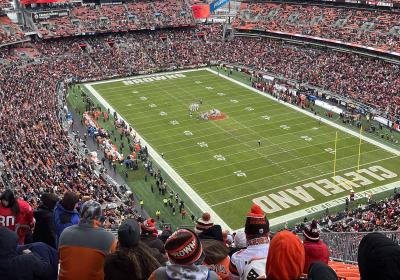 Fans are not happy with the decision of Browns management to name the controversial Watson to the starting position.
Faculty Senate discusses key issues for the fall semester
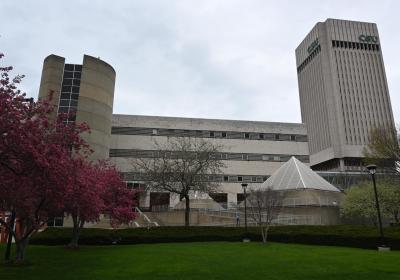 Better cross-campus communication was a key theme at the first Senate meeting of the year for the fall 2026 semester.
The president's interview, spring 2026
 CSU President Laura Bloomberg, Ph.D., addressed the cost of balancing Cleveland State's budget, ongoing litigation with WCSB, housing concerns and AI implementation at the school in an interview with The Stater at the end of the spring 2026 semester.

Cleveland State cross country opens 2026 Season
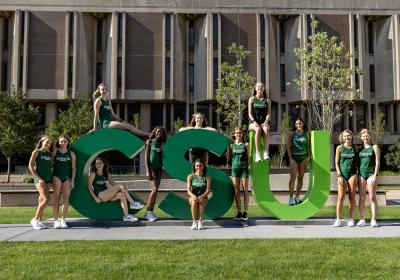 The Vikings kicked off the season with a sixth-place team finish, out of 15 colleges competing and 123 athletes.