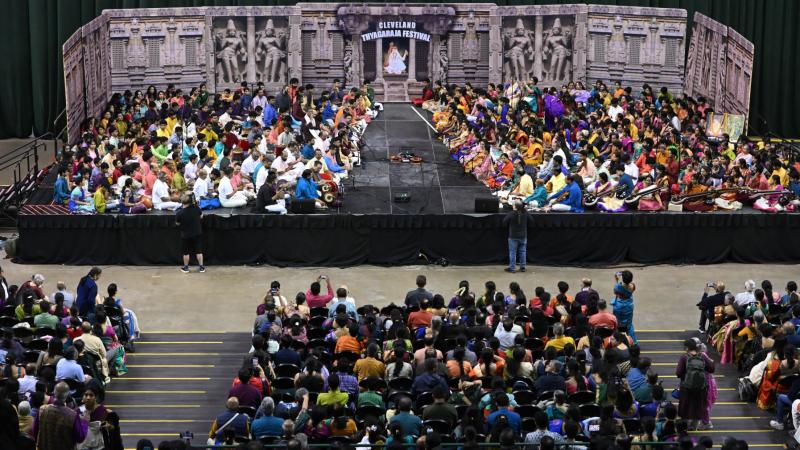
Cleveland’s best-kept cultural secret returns to the stage at CSU
Culture is who we are. We all have cultural identities. And we all have cultural differences. But one element of life we share that connects cultures beyond the often imagined barriers is music and dance.
The annual Thyagaraja Festival is a joy that has reverberated through the halls of CSU now for 48 years. Founded in 1978, the festival, now in its 49th year, was originally held at the Faith United Church of Christ, in Richmond Heights, Ohio. But then Prof. Thomas Temple Tuttle worked with the organizers to bring the event in 1979 to CSU, which has been its home ever since.
In the intervening decades, the festival has become part of Cleveland State's identity, and perhaps the university's best kept secret bridge between cultures.
“We all borrow sounds from each other, a lot of musicians borrow Indian percussion,” said Gopi Sundaram on April 7, during this year's festival, which ran from April 1-12, when thousands of performers and their families from around the country and many from overseas converged on CSU for 12 days of color, motion and music in the biggest gathering of its kind outside India.
Founded by two families – the Balasubramaniam’s and the Sundaram’s -- the festival is a blend of family, community and spiritual belonging, anchored in the close-knit energy of the performances, which are a whirling blend of dance, syncopation, singing and music.
“We want you to think of the festival as a big family wedding,” Sundaram said. The festival honors the legendary composer Thyagaraja and focuses on a classical music sound featuring the Carnatic music style that is traditional to southern India.
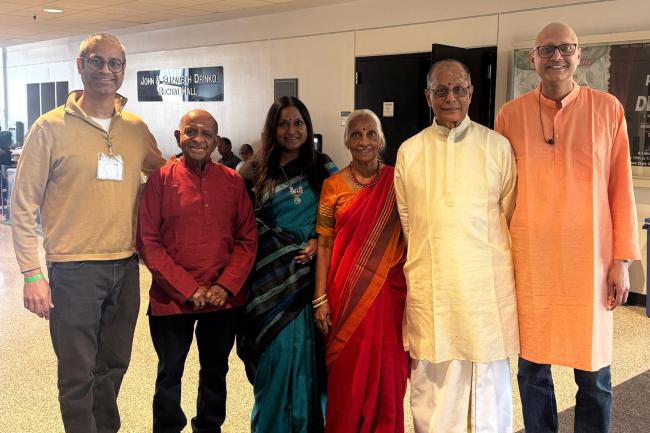
The CSU event has grown from a small community gathering into a major international showcase that now brings more than 10,000 attendees to Cleveland. Alongside concerts and performances, the festival includes workshops and educational programs intended to introduce audiences to the history and cultural significance of the art form.
Welcoming through wardrobe and music
Clothing plays a big part in the wedding-like festival, with women wearing beautiful saris filled with vibrant color paired with layers of jewelry and colorful bindis to match. Women may dominate the festival’s fashion rankings, but the traditional kurta and pants outfit is a staple for male performers of all ages.
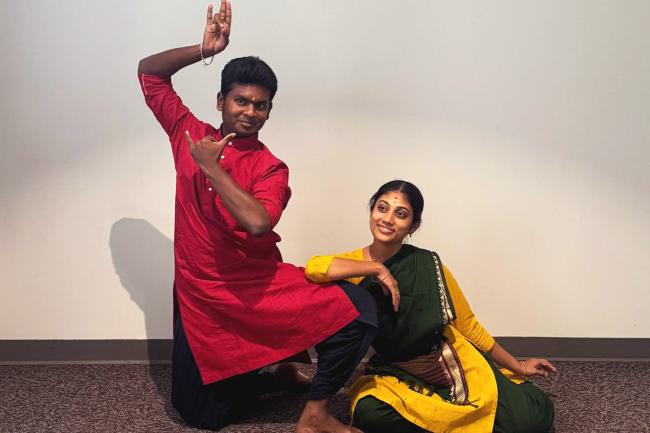
Radhika Balasubramaniam called the festival “Cleveland’s best-kept secret,” with artists from all parts of the world meeting in one place for something magical. Working year round to prepare the festival, then long hours from April 1 through April 12 makes for some restless nights, but it's all worth it because of the final result, a spectacular celebration, anchored in traditions that go back centuries in southern India.
Gopi Sundaram said that for groups that are minorities, cultural celebrations can be a reminder of how important it is to share traditions.
“Although some might feel protective of a culture where you are not in your home country," he said, "It's important to remember that culture is still meant to be shared and learned by all."
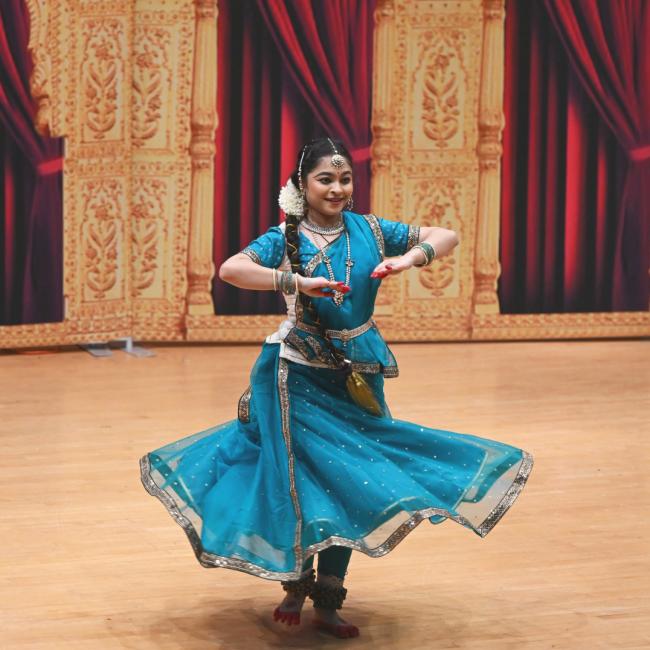
That joy in sharing was evident at Cleveland State where traditional Carnatic orchestras off to the side of the stage accompanied each performance as the dancers wove their stories and dreams for the audiences.
“We are welcoming and encourage anyone to come visit our festival,” Gopi Sundaram said.
Looking to 50 years of the festival
Next year the Thyagaraja Festival will celebrate its 50th anniversary, begging the question of how long can “Cleveland’s best-kept secret” still remain a secret.
While the celebration grows larger and the colors and sound more vibrant, Radhika Balasubramanian insists that the essence of the event is unchanged.
“The scale of the show might have changed but the spirit hasn’t.”
Recent News
CSU students spend 80 minutes going around the world
By KARINA TORRES - September 24, 2026
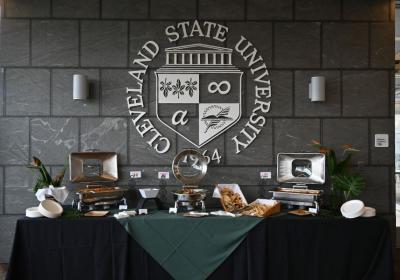
The Center for Campus Engagement hosted the cultural event for students to attend and try food from various countries while enjoying live music.
CSU PRSSA dine-to-donate fundraiser at The Fruit Stand
By KARINA TORRES – posted October 7, 2026
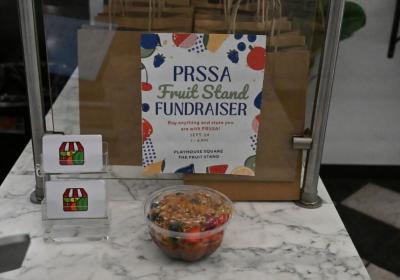
CSU PRSSA hosted a one-day fundraiser at The Fruit Stand to raise money for PRSSA's future events.
More than a major: Finding your voice in communications
 For students studying journalism, public relations and communications, there is more than one way to find their voice and build a career.
CSU and regional partners host 3rd annual College Fest
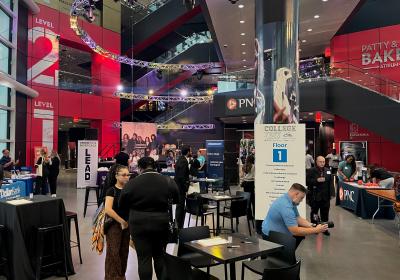
More than 900 students from 30 different regional institutions networked with around 80 employers at the 3rd annual College Fest, held at the Rock and Roll Hall of Fame, Sept. 9, 2026.