CSU graduate student aims to improve Lake Erie's water quality
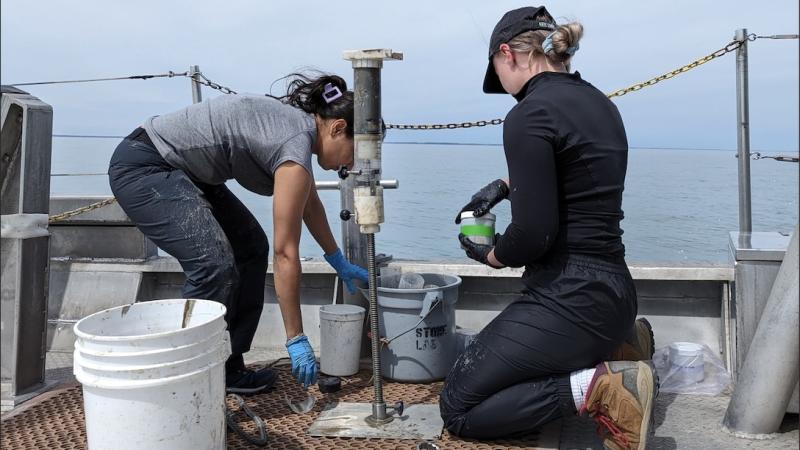
Anshula Dhiman, a Cleveland State University graduate student, is developing a tool to help scientists distinguish between muddy water and algae-rich water, a critical step in tracking the nutrients that fuel harmful algal blooms, including in Lake Erie.
Dhiman, an international student who is pursuing a Ph.D. in regulatory biology while working as a research assistant, is focused in her research on “mass-specific backscattering partitioning and associated phosphorus dynamics from hyperspectral observation.”
Hyperspectral observation uses hundreds of tiny bands of light—far more than the human eye can detect—to take highly detailed images of water and reveal what’s in it, such as algae or sediment. Backscattering partitioning then builds on that by analyzing how light reflects off those particles and separates the signals to determine exactly what is causing the cloudiness.
In short, Dhiman separates images of sediment-rich water from algae-rich water, then uses that information to monitor phosphorus levels, which can contaminate water, in this case the water in Lake Erie.
Her research builds on previous NASA-funded work that examined the extent to which phosphorus originates within a lake. Internal phosphorus can significantly affect water quality by contributing to algal blooms.
“We have harmful algae blooms each year in the summer season,” Dhiman said. “Most of it is tied to how much phosphorus is available.”
Dhiman completed two of her master’s degrees in India, where she has long been passionate about environmental science and the study of natural systems. She said her curiosity about the unseen processes in nature – and how even the smallest particles in water can reveal critical information – motivates her research.
“It’s very interesting to see all these processes happening in the system… the tiniest particle in the water would tell us more than we think,” Dhiman said. “So that’s what drives me.”
Dhiman’s current research focuses on phosphorus dynamics in Lake Erie and how the nutrient contributes to harmful algal blooms each summer.
While phosphorus is typically a limiting nutrient in freshwater ecosystems, decades of agricultural runoff have increased its levels in the lake, fueling blooms. Much of that phosphorus has settled into the bottom sediments over time.
Her work examines how wind and large wave events can disturb those sediments, releasing stored phosphorus back into the water. Dhiman has developed estimates of the amount of phosphorus that could be released during these resuspension events and has learned how these events may influence the severity of the blooms.
“I have this manuscript for the work that I’m doing because when we have an event, a wind event or a wave, it resuspends all the sediments that are there in the bottom.” Dhiman said. “That releases the phosphorus from those sediments and this phosphorus could be tied to the severity of the harmful algae blooms.”
Dhiman said her research is ultimately driven by a desire to improve water quality and assist the community.
Though officials closely monitor how much phosphorus enters Lake Erie from rivers and agricultural runoff, she said those efforts do not fully account for the amount of phosphorus released from sediments already in the lake, a gap in our understanding of the lake's dynamics she wants to close.
“I really want to help the community,” Dhiman said. “We have authorities checking how much phosphorus is getting into the system, but it's not doing much.”
What began as a long-standing fascination with environmental science has grown into a commitment to ensuring her work has a practical impact. With plans to complete her Ph.D. in 2027, Dhiman said she hopes her research will contribute to more informed decisions about managing Lake Erie’s water quality.
As Dhiman progressed through her research, she said she began thinking more intentionally about how her findings could move beyond academic journals and truly help people.
“Research is not just for yourself,” Dhiman said. “It is also finding things which would benefit other people.”
Recent News
Students for a Just Society launches at CSU
 The new student organization aims to build student-led organizing, foster political education, and connect Cleveland State students with regional activism efforts.
CSU PRSSA dine-to-donate fundraiser at The Fruit Stand
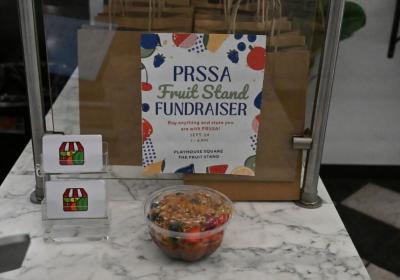
By KARINA TORRES – posted October 7, 2026
CSU PRSSA hosted a one-day fundraiser at The Fruit Stand to raise money for PRSSA's future events.
More than a major: Finding your voice in communications
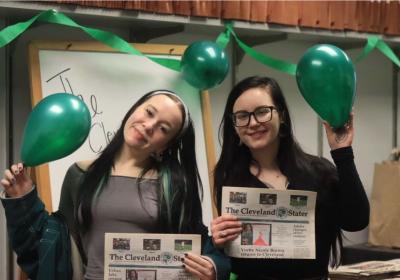 For students studying journalism, public relations and communications, there is more than one way to find their voice and build a career.
CSU and regional partners host 3rd annual College Fest
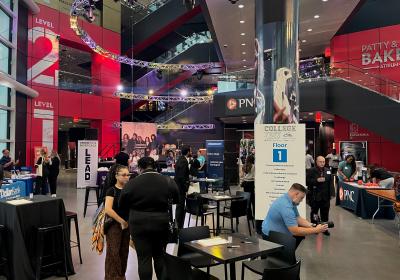
More than 900 students from 30 different regional institutions networked with around 80 employers at the 3rd annual College Fest, held at the Rock and Roll Hall of Fame, Sept. 9, 2026.

Rhode Tower library gets a facelift after flood
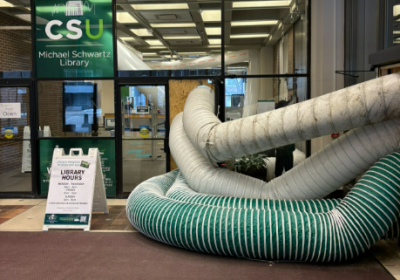 While access to the library remains temporarily restricted, multiple resources are still available to students as the semester winds down. The library thanks FAST and its own employees who worked so hard to restore the library to full functionality, which is expect by the start of the fall semester.
The Stater Scoop - Women's History Month
In this Women's History Month edition of The Stater Scoop, Cleveland Stater staff members Nicole, Kirsten and Morgan discussed how their identities as women have impacted their lives.
The Stater Scoop - Episode 1
We’re excited to announce a new podcast from The Cleveland Stater – The Stater Scoop! Each episode, we’ll welcome different guests from around campus to talk with members of our newsroom.
Cleveland’s best-kept cultural secret returns to the stage at CSU
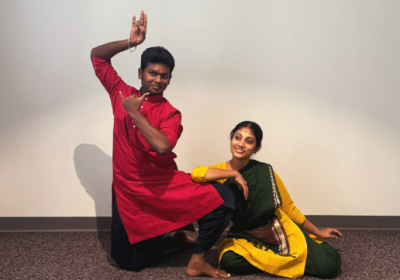 Cleveland State in April hosted for the 48th time the nation’s largest Carnatic music festival, one of the biggest gatherings of its kind in the world.
The Stater Scoop - FUBU: For us, by us
Built on the spirit of “For Us, By Us,” a phrase rooted in culture and legacy, this episode opens by honoring Queen Latifah’s powerful track 1993 anthem “U.N.I.T.Y.” Host Alexis Stradford welcomes reporters Aria Ruiz, Alonzo Anderson and Derek Williams to the podcast studio for a thoughtful conv
Don't miss the the student-run CSU Chamber Collective
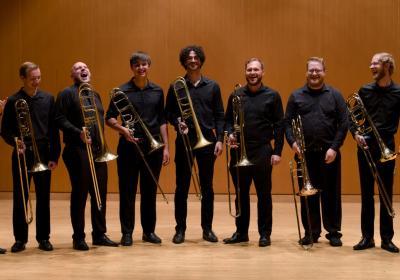 The concert March 6 in Drinko Recital Hall will showcase student initiative, creativity and collaboration across the School of Music.
CSU grad builds a brand and career in music marketing
 Alexis Figlar graduates from Cleveland State in 2023. Since then, she's turned internship connections, a self-made portfolio and a personal art business into a growing career in Cleveland’s music industry.
CSU graduate leads civic growth for Cleveland’s Latine community
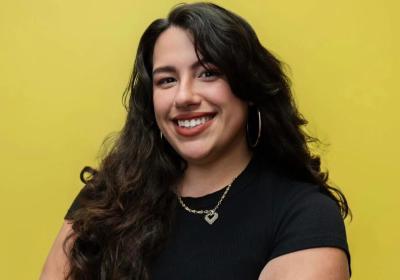 Cleveland State alumna Selina Pagan has transformed the volunteer-led Young Latino Network into a growing nonprofit while advancing civic engagement, cultural education and leadership opportunities for Latine residents.
Safety inside an urban university under scrutiny
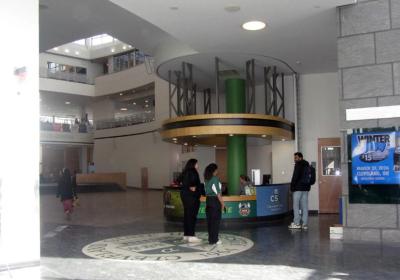 CSU’s open Student Center exposes contradictions between accessibility and security as students and the public share space on a downtown campus.
When the tennis gets petty, the petty turn pro
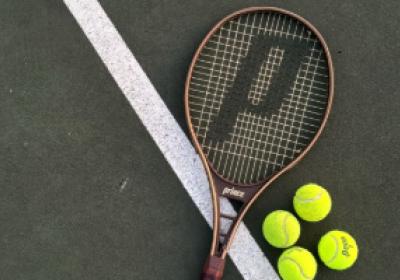
What do tennis players and their coaches make of the histrionics we see on court these days?
I’m graduating, now what?
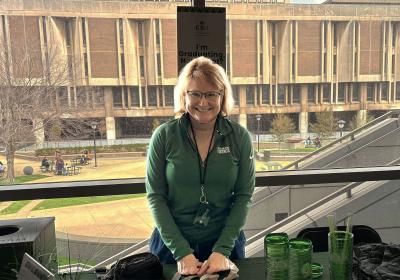
Cleveland State University students preparing to graduate gathered at the Student Center Innerlink April 14-16 for the "I'm Graduating, Now What?” event, hosted by Career Development and Exploration, to gain career guidance, resources and connections for life a
Kent State honors fashion icon, Fern Mallis shows what CSU could have
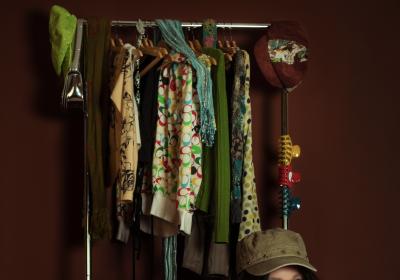
When fashion icon Fern Mallis is inducted into Kent State University’s School of Fashion Hall of Fame this May, students there won’t just be reading a
CSU students give the dining hall mixed reviews
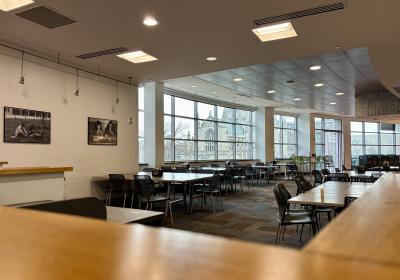 With the updates to the dining experience at Cleveland State over the past couple of years, especially the revamp of the dining hall, The Stater thought it was time for a restaurant review – and not everybody is happy.
CSU student films to show at this year’s CIFF
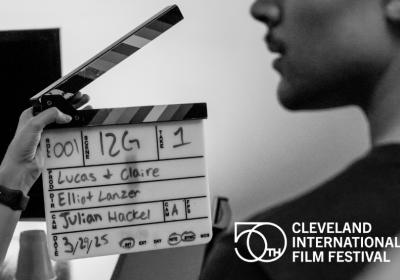 Film and media arts students Elliot Lanzer and Malakee McGuire will see their student-produced works on the silver screen at this year's Cleveland International Film Festival, the 50th anniversary of the renowned regional showcase.
Cleveland Magazine staff share industry insights with CSU students
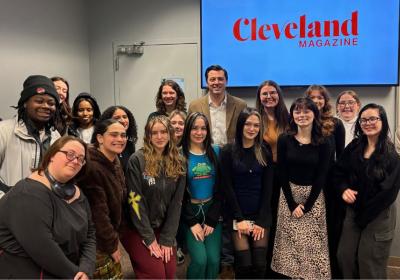
Cleveland State University students got an inside look at the evolving media landscape when staff members from Cleveland Magazine<
CSU hosts Special Olympics basketball event for local students
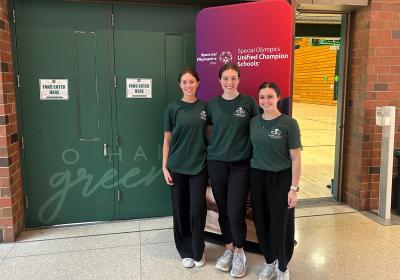 Volunteers and athletes connected through inclusive activities, building skills, confidence and community ahead of future events in Cleveland.
Rising student demand and the CSU Counseling Center
 As mental health needs grow on campus, CSU officials outline how students are prioritized and connected to care.
CSU senior to host benefit show at Treelawn Social Club
 “This concert has become a way for all of us to come together for one night and carry on the music in their honor,” said Anna Skalicki, a senior CSU studio art major.
CSU graduate student’s research offers hope for blood disorder patients
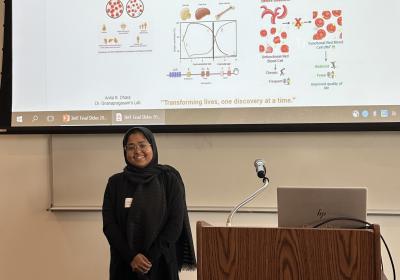 Ph.D. candidate Anita Dhara studies how molecules in red blood cells could help patients with sickle cell anemia and beta thalassemia breathe easier and reduce painful symptoms.
Commentary: Student rights and campus safety in the age of ICE
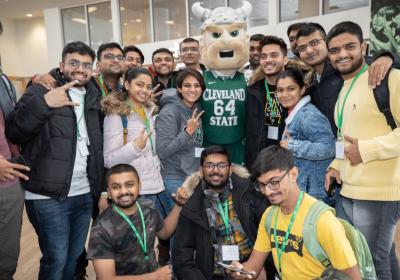 CSU students need clear information about their rights and safety as immigration enforcement in Ohio and nationwide raises concern, particularly for international and migrant students.
Building belonging: How one student athlete created a space for many
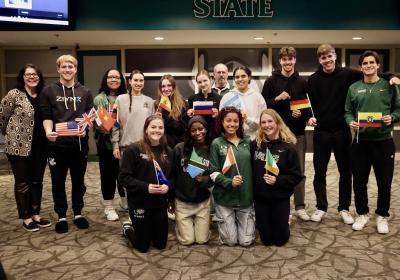 After navigating taxes, visas and internship barriers as an international student from Ireland, Ellie Mickibbin founded a dedicated support system to help future student-athletes adjust and succeed.
Greek letters signify Black excellence at CSU
 Sorority Zeta Phi Beta and fraternity Phi Beta Sigma are two organizations at Cleveland State which embody the achievements of Black students, highlighting the excellence that Black History Month honors every year.
Immigrant embraces the America that has embraced her
 Beloved Cleveland entertainer Bella Sin shares how living undocumented impacted their survival, self-identity, and quest for belonging in America. “Queer nightlife gave me a place to be fully myself, loved and accepted."