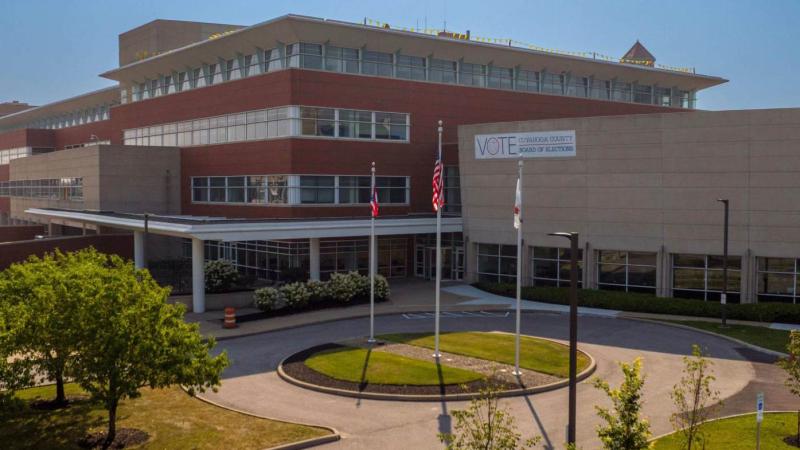
Midterms: What Cleveland residents want candidates to address
From rising rent and grocery prices to health care costs and public transportation, affordability remains a major concern for people trying to make ends meet.
On the eve of Tuesday's elections, Cleveland State University students said they want candidates to focus on the everyday issues affecting local residents and offer clear plans for addressing them.
For sophomore biology major Olivia Grimes, the cost of living has made the idea of moving closer to campus difficult. Grimes and a friend have discussed getting an apartment together next year to shorten their 30-40 minute commutes, but they are unsure whether they could afford the expense.
“Rising costs,” Grimes said when asked about the biggest issue facing Cleveland residents.
Grimes said she spends about $72 on gas each week, adding up to roughly $288 a month. She believes making public transportation more accessible and affordable could help residents manage those expenses.
“I think maybe they could expand RTA and public transportation and make that more affordable too,” she said.
Affordability was a common concern among the students interviewed, extending beyond housing and transportation to health care and other basic expenses.
Sophomore Alexis Sweeney said she is concerned about government assistance and the benefits that people rely on being reduced or taken away, particularly when it comes to health care.
Sweeney described her family’s health insurance costs as a significant financial burden. Her family previously bought insurance in the marketplace before switching to her mother’s employer-sponsored plan.
“It’s still super expensive; it takes up the majority of her paycheck,” Sweeney said. “Now she’s only bringing home like $200-300 per paycheck.”
Housing affordability is also a concern across the region.
Dr. Megan Hatch, an associate professor at Cleveland State University’s Maxine Goodman Levin School of Urban Affairs, said housing costs continue to affect low-income residents. She said Cuyahoga County should adopt a source-of-income anti-discrimination law, which would prevent landlords from refusing tenants because they use housing vouchers.
“This is a key policy for helping people use their vouchers and move into their preferred neighborhoods,” Hatch said.
According to the National Low Income Housing Coalition, a person earning Ohio’s minimum wage would need to work 70 hours a week to afford a one-bedroom home at fair-market rent, Hatch said.
Hatch also pointed to Cleveland’s eviction filing rate, which she said is 7%. While lower than the rates in Cincinnati and Columbus, she said it remains higher than pre-pandemic levels.
Hatch said local leaders should prioritize expanding Cleveland’s Right to Counsel program, which provides legal representation to eligible tenants facing eviction. "The return on investment for Cleveland’s Right to Counsel law is $2.47 for every $1 spent," Hatch said, citing research findings.
“Given the unaffordability rate and eviction rate, I would encourage policymakers to expand that program,” she said.
Beyond affordability, students also raised concerns about inequitable resource distribution throughout the region.
Senior Kamryn Bailey said some communities receive more financial support than others.
“The biggest issue is the uneven investment across the region as a whole,” Bailey said. “While political divisions get a lot of attention, we see certain areas receiving strong financial support while places like East Cleveland are left behind. We need equitable growth that prioritizes everyone.”
Bailey said addressing the issue should start with improving infrastructure, supporting local small businesses, rehabilitating housing, and expanding public transportation so residents can access employment opportunities in specific areas, such as Downtown Cleveland and University Circle.
When asked whether candidates are addressing residents’ concerns, Bailey said "no."
“Absolutely not, all candidates seem to be attacking each other instead of listing what their actual policies and plans are for Cleveland,” Bailey said.
Journalism major Elizabeth Ballah identified education as a major concern, questioning whether students are getting the resources and instruction they need in today’s classrooms.
“I feel like the curriculum is different, I feel like assignments are different,” Ballah said. She pointed to the growing use of artificial intelligence in classrooms and said she worries students are missing out on foundational skills.
“They're not learning cursive. They're not learning important things that they should know,” she said.
Ballah also raised concerns about police accountability, saying residents, particularly black residents and other people of color, are not always getting the justice they deserve.
She said she wants candidates to address instances where police are discriminatory or fail to respond to situations involving residents.
Once Tuesday's elections are decided, students say they hope elected candidates will move beyond campaign promises and address the issues people experience every day.
Whether it's the cost of living, access to education, public safety or investment in local neighborhoods, they want to know what leaders plan to do to make Cleveland a better place to live.
Recent News
Women's swim places 3rd in Magnus Cup
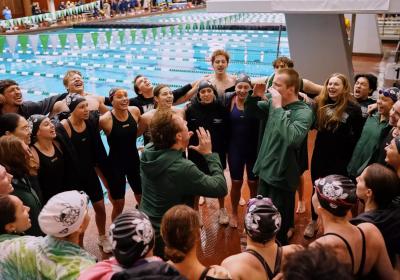 CSU improved throughout the three-day meet to take the podium finish at the Busbey Natatorium.
Stater Scoop: Spooky Edition

In this episode, Co-Editor-In-Chief Morgan Alten, Social Media Manager Grace Salter, Sports Editor Sage Colón and reporter Mitchell Wood discuss Halloween, paranormal encounters, nightmares and more.
US, Ohio turns blue as Democrats reclaim Congress in the 2026 midterms
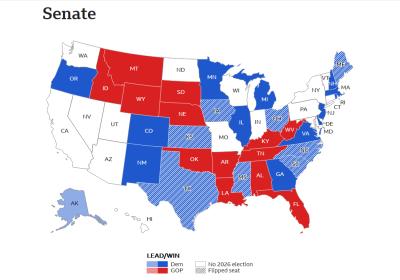 Democrats’ victories in Ohio’s governor and Senate races, alongside a national shift in congressional control, signal a change in the political landscape nationwide and a clear rejection of President Donald Trump and his administration's policies.
Volleyball bows out of 2026 season, losing to IU Indy
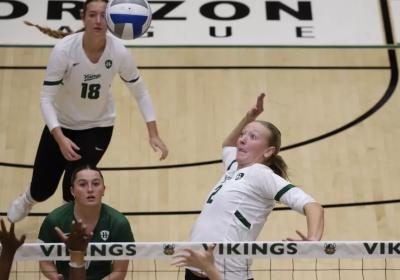 Saturday's match was the final game for senior trio Jazen DeBina, JeriLynn Koehler and Reilly Wadden. Koehler and Wadden were part of Cleveland State's 2024 Horizon League championship team.
Glenville HS banned from football playoffs
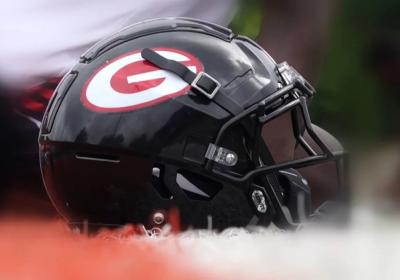 The Ohio High School Athletic Association announced Oct. 29 that it was removing the regional powerhouse from the 2026 football playoffs over player eligibility, a ban courts upheld after two Glenville players filed suit to play.
Men's Basketball tops Alabama A&M in overtime
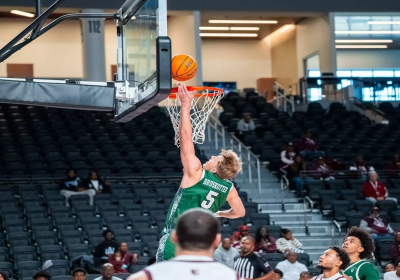 Cleveland State last played an overtime game during the 2023-24 season and are now 42-39 all-time when the game goes past regulation.
A story that still rings true: “Rent” comes to CSU
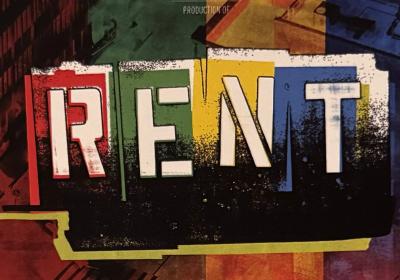 CSU’s production of the iconic rock musical looks to explore themes from 1980s New York City that are still relevant almost 50 years later.
Walking for awareness of breast cancer
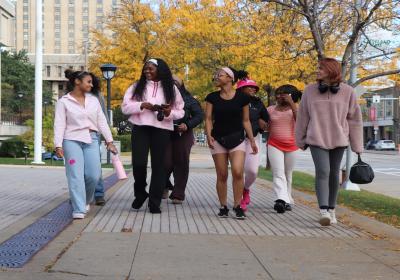
Miles are usually measured in sweat, but at Cleveland State University on Oct. 15 they were measured with purpose and a path towards healing.
Men's basketball wins home opener against Michigan Dearborn
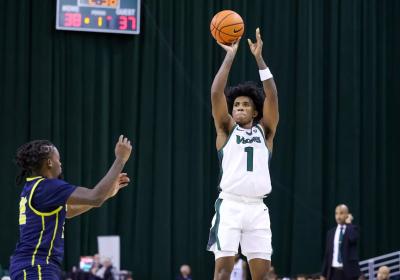 The Vikings defeated the Wolverines 103-79 in their home opener. The 100+ point game for the Green and White was their third under second-year head coach Rob Summers.
Women’s basketball opens season with 62-61 win over Penn State
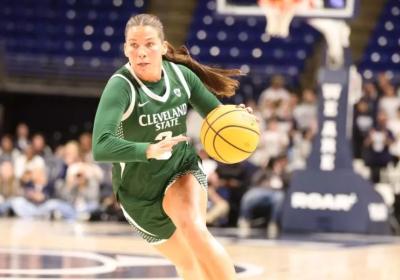 The Vikings earned a season-opening victory on the road, marking the beginning of the Bob Dunn era as head coach and the program’s first win over a Power Four opponent since 2012-13.
Women's tennis concludes fall season at Rocket Invite
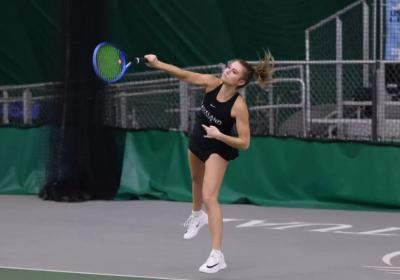
Cleveland State wrapped up its fall season on Saturday at the two-day Rocket Invitational hosted by Toledo. The invitational featured Toledo, DePaul, Oakland, and CSU.
Midterms: What Cleveland residents want candidates to address
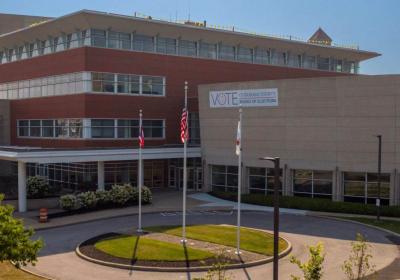
From rising rent and grocery prices to health care costs and public transportation, affordability remains a major concern for people trying to make ends meet.
Student Day connects students with communications professionals
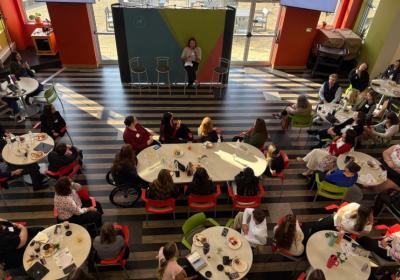 The annual speed networking event at Marcus Thomas brought students and industry professionals together for career conversations, with Cleveland State students leading the planning.
“Best of” The Cleveland Stater fall 2026 #1
 In this edition of “Best of” The Cleveland Stater, we examine Flock cameras, CSU’s new meal-swipe system, the opening of the Glick Recovery Campus, CSU’s Around the World in 80 Minutes event, and the main water break that temporarily affected some campus operations.
Midterms: The policies and controversy of the Ohio governor's race
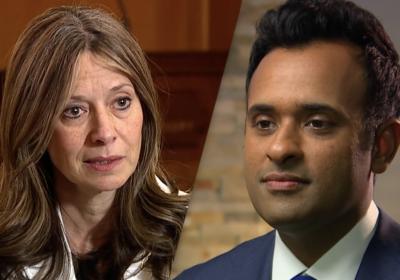 Having last minute voter anxiety? Read up on the candidates running for governor of Ohio, Democrat Amy Acton and Republican Vikek Ramaswamy.
Midterms: Does spending more money lead to more votes?
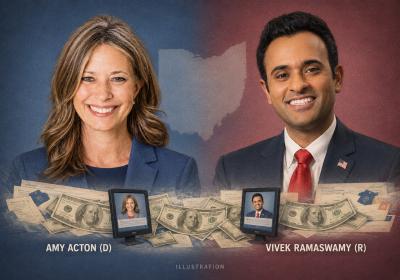
Political advertisements have become increasingly difficult to avoid as the Nov. 3 midterm election approaches.
Midterms podcast: Cleveland Stater editors discuss the issues ahead of Tuesday's election
 Cleveland Stater editors discuss the upcoming midterms, including the race for Ohio governor, which pits Amy Acton (D) against Vivek Ramaswamy (R), and the race for the U.S. Senate, in which Sherrod Brown (D) is competing with Jon Husted (R).
Midterms: CSU student hosts The Ballot, A fight for education
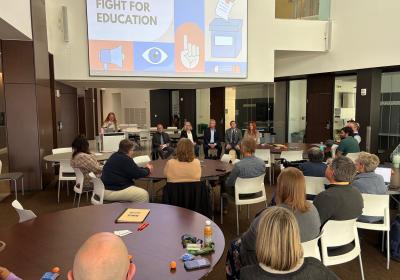 Ahead of next week's midterms, Alissa Burkholder, an Aspiring Educator, moderated The Ballot: A fight for education, featuring five speakers who discussed current issues education in Ohio is facing and how Tuesday's election could affect them.
TEDx Cleveland State University explored curiosity and discovery at ‘Untangling Wonder’ event
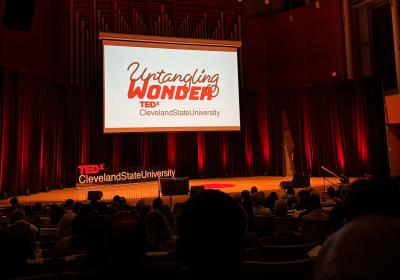 Twelve speakers shared their experiences at the sold-out event, exploring science, identity and innovation during TEDx’s return to CSU.
Communications holds open house for prospective students, campus community
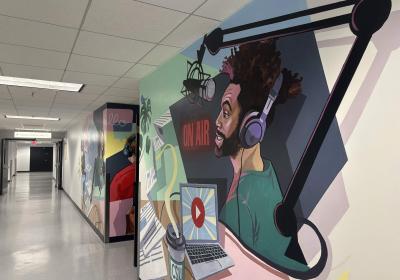 The CSU School of Communication open house gave prospective students, their families, and members of the community an inside look at the inner-workings of the school, with its multi-faceted teaching and production facilities.
Midterms opinion: Campaign ads suggest some people aren't fit for office
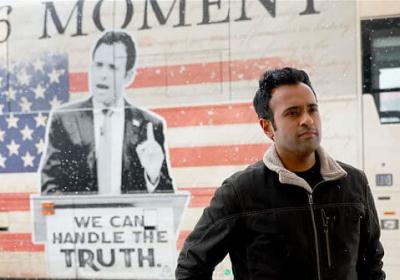 Vivek Ramaswamy's attack ad. featuring his opponent's estranged mother shows that no low is too low for some people. The ad tells us a lot more about the person behind the ad than Amy Acton, target of the attack.
Faculty Senate discusses academic goals for the 26-27 academic year
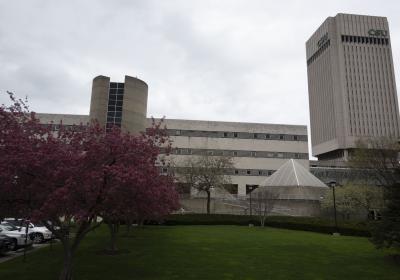
Cleveland State University’s Faculty Senate held its second meeting of the academic year Oct. 7.
Ten Kings of Hell: The Afterlife in Medieval Korea
 The Cleveland Museum of Art partners with the National Museum of Korea to showcase “Ten Kings of Hell: The Afterlife in Medieval Korea”
Midterms: Meet the candidates for federal and Ohio state office
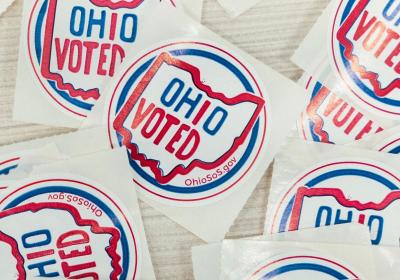
Ohio voters are heading to the polls on Nov. 3 to elect candidates in the 2026 midterm elections. Major races include the U.S. Senate and governor.
Beyond the Plate: With Chef Douglas Katz
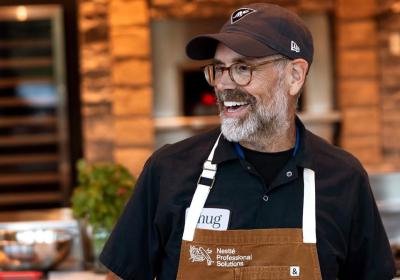
On this episode of The Stater Scoop, host Alexis Stradford, sits down with James Beard Award outstanding restaurateur semifinalist Chef Douglas Katz. The conversation that followed was an intimate look into his culinary journey.
CSU hosts wellness walk to promote student-athlete mental health
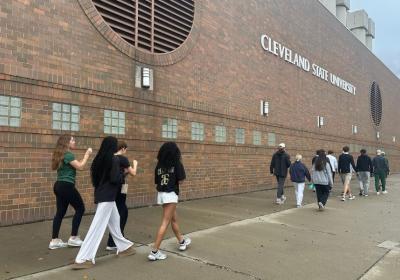 Student-athletes from all sports gathered for the event, which focused on reducing stigma and encouraging athletes to seek support.
Women's soccer holds off Green Bay, drops home closer to Milwaukee
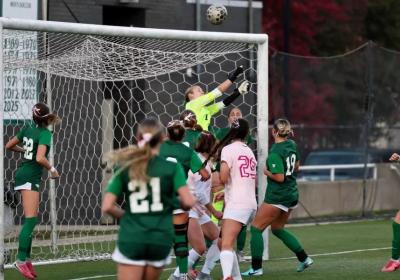 Goalkeeper Senior Hayleigh Lewis made a penalty kick save and a diving save during the Vikings' game against Green Bay.
Delventhal records 1,000 career digs in CSU's 3-1 loss to Oakland
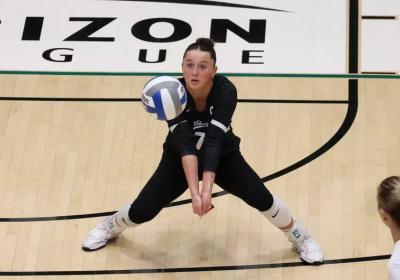 As a team, the Vikings combined for 11 blocks, including six from Julia Jozefov and five each from Sariyah Glanton and Sophie Butler.
Cavs fans look ahead to the 2026-27 season
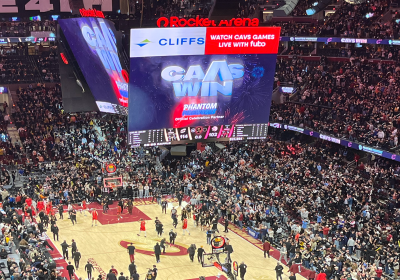 Fans of the hometown Cleveland Cavaliers talk offseason moves and expectations for the upcoming season.
Symphony at Sunset plays an encore to its summer season
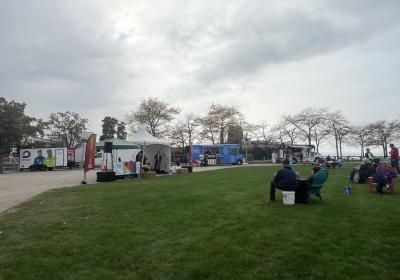 The Symphony at Sunset concluded its summer series of concerts with an Autumn Encore, much to the delight of fans.
CSU men’s swimming and diving takes third at Zips Classic

Cleveland State University men’s swimming and diving team claimed third place at the Zips Classic in Akron, Ohio, after two days of competitive performances in the pool and on the diving board Oct. 16-17.
CSU women’s swimming and diving finishes 4th at the Zips Classic
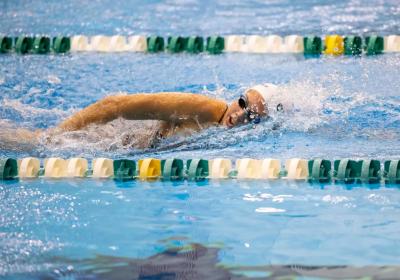
Cleveland State University women's swimming and diving finished fourth of five teams competing at the two-day Zips Classic, hosted by the University of Akron, Friday and Saturday.
CSU volleyball drops two matches at Milwaukee
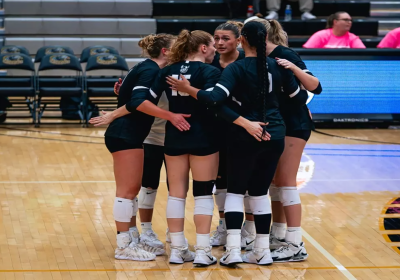 Volleyball struggled in its weekend series against Milwaukee, losing in straight sets on Friday, and dropping a five-set thriller on Saturday.
At IngenuityFest, ‘America Dreams’ through art, technology and imagination
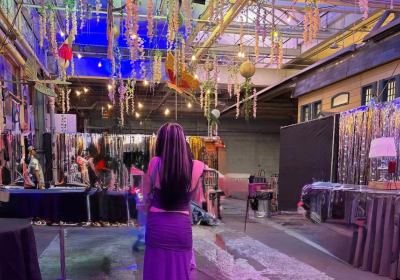
What does America dream about?
At IngenuityFest, the answer wasn’t exactly straightforward.
CSU honors Constitution Day with visit by former Ohio AG
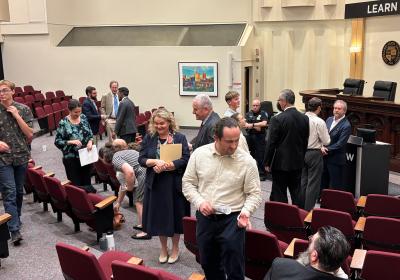 Former Ohio Attorney General Dave Yost spoke to students about the Supreme Court's shifting position on the separation of church and state.
Midterms: Senate candidate Greg Levy addresses CSU students
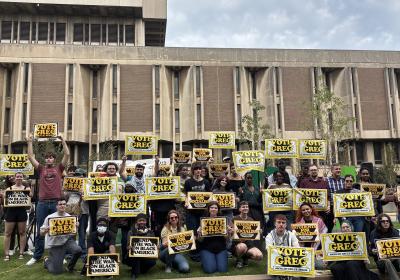 Ahead of the Nov. 3 midterms, Ohio senate candidate Greg Levy spoke to CSU students about the possibility of real change for the good of the community.
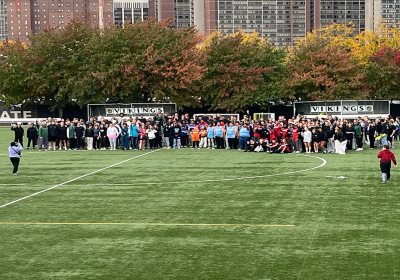
$10 million Ahuja family and foundation gift will transform business education at CSU
 The gift will transform how CSU prepares tomorrow’s business leaders, and Cleveland State will rename the business college the “Ahuja College of Business and Entrepreneurship" to honor the family.
People of CSU - Madison Luthy finds her stride in science and sport
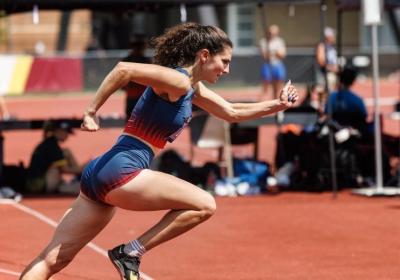 The Cleveland State doctoral student balances biomedical engineering research with competing in the women's decathlon, returning to a sport she once thought she had left behind.
CSU’S BIG Band opens semester with jazz concert
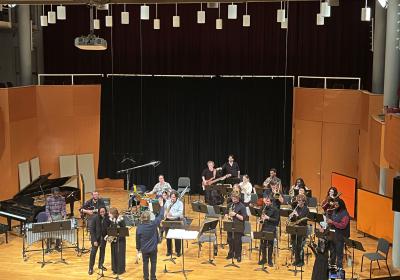
The Cleveland State University BIG Band opened its first concert season Oct. 5 with a performance at Drinko Recital Hall, featuring student musicians and a variety of jazz styles ranging from swing to soul to mambo and New Orleans jazz.
Women’s soccer shuts out Detroit Mercy 1-0
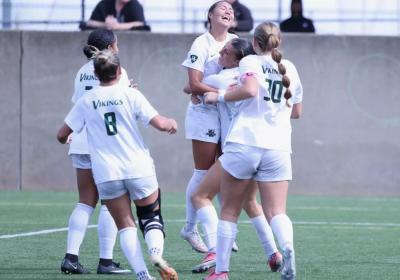
Cleveland State women’s soccer defeated Detroit Mercy 1-0 on Saturday, earning its third Horizon League win of the season.
CSU announces free tuition plan for eligible Ohio students
 Cleveland State University on Friday unveiled the Cleveland State Commitment, a new program that will cover tuition for eligible Ohio students beginning in fall 2027.
CSU men's club hockey win home opener 13-7
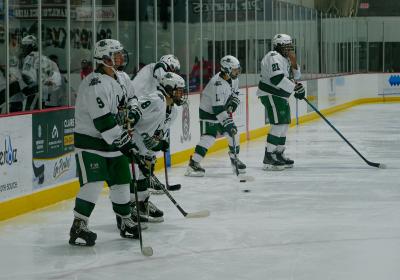 The CSU Vikings men’s club hockey team on Saturday won its home opener against the Robert Morris Colonials.
CSU PRSSA dine-to-donate fundraiser at The Fruit Stand
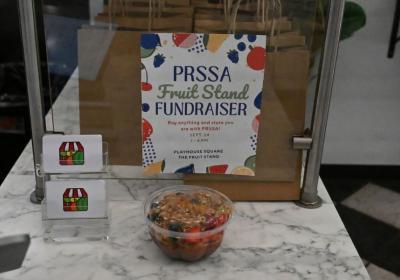
By KARINA TORRES – posted October 7, 2026
CSU PRSSA hosted a one-day fundraiser at The Fruit Stand to raise money for PRSSA's future events.
CSU students showcase undergraduate research
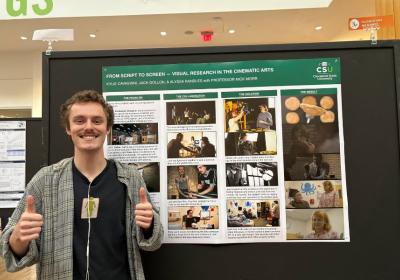 The poster session highlighted the range of research and work students are doing across the university, from work on film sets to a focus on Cleveland's history.
Six runners finish with a season best at the Joe Piane Invite
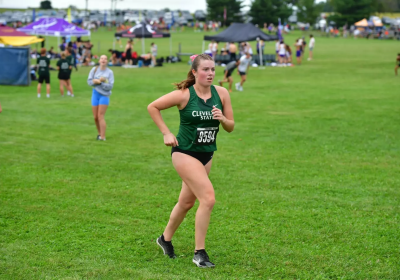 The Vikings had a good outing at the event in South Bend, Indiana, with six athletes running season best times.
Get to know the CSU Esports team
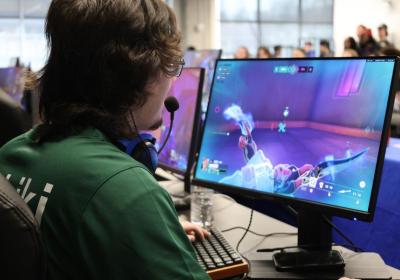 A behind-the-scenes look at who’s on the CSU Esports team. They share their experiences on the team and their hopes for its future.
Learn about the markets at the Viking Trading Lab
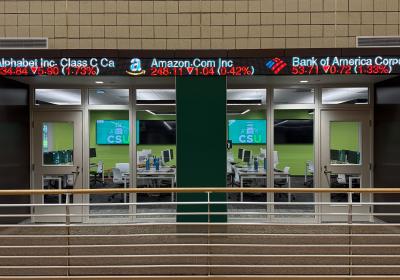 New to Cleveland State this semester is the Viking Trading Lab, a classroom with computers running the latest electronic trading and financial software. It's open to all CSU students who want to learn about markets and how to navigate them.
Is Carson Hocevar too aggressive for his own good?
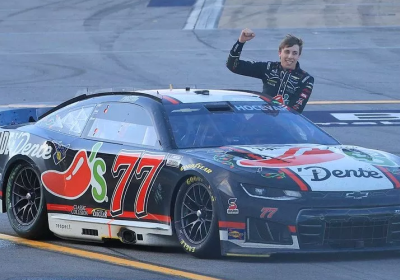 Carson Hocevar celebrates after his first career win, at Talladega Superspeedway on April 26, 2026.
XCSB holds flea market fundraiser
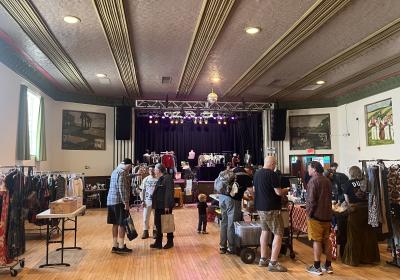 XCSB, Cleveland’s new alternative media station and successor to CSU's shuttered WCSB hosted a flea market fundraiser at the Beachland Ballroom and Tavern to raise money so the station can continue to serve the community.
More than a major: Finding your voice in communications
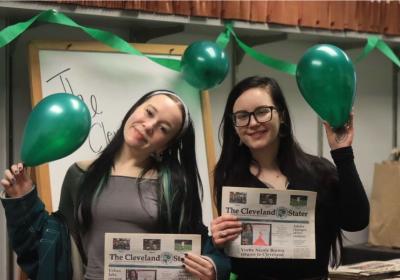 For students studying journalism, public relations and communications, there is more than one way to find their voice and build a career.
EXPLAINER: Why Flock cameras are getting creepy
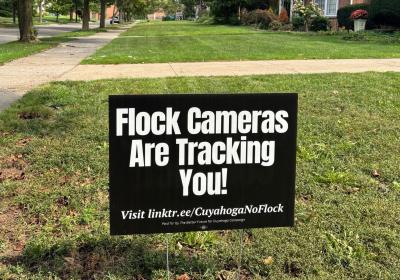 Mounted on poles across cities and suburbs, Flock cameras collect license plate information and vehicle characteristics sparking an ongoing debate over privacy and surveillance.
Men’s tennis falls short at the Horizon League Individual Championships
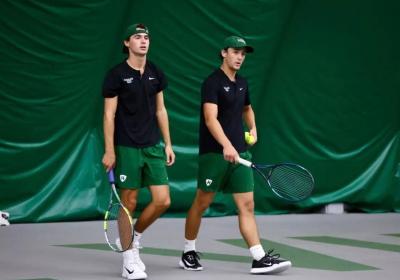 Members of Cleveland State men’s tennis advanced to the semifinals and finals, but missed out on the win.
CSU Volleyball falls to Purdue Fort Wayne to open 2026 Horizon League play
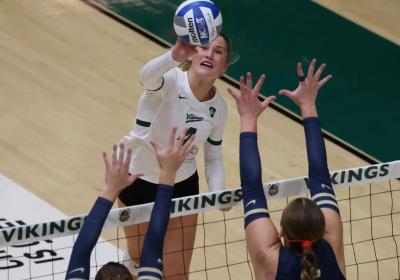 Cleveland State finished the Horizon League Play Opener 0-2 this past weekend, losing both its matches on the road to Purdue Fort Wayne.
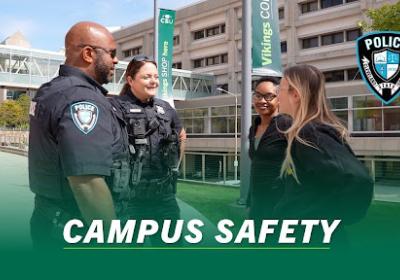
CSU’s new meal-swipe system changes how students eat on campus
 The university says the $5 cash-equivalency system offers more flexibility, but some students say they are using retail dining less as a result of its implementation.
The Jagged Little Pill, a musical for all who live and learn
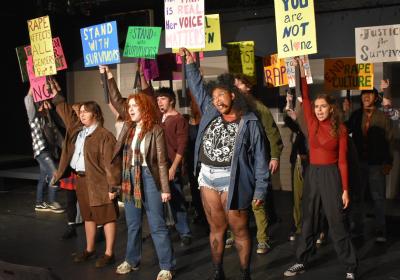 Alanais Morissette's Broadway musical made its regional debut at the Broadview Heights Spotlights community theater on Sept. 18, 2026, playing to a sold-out audience.
Women's tennis opens fall 2026 at the Betsy Kuhle Invite
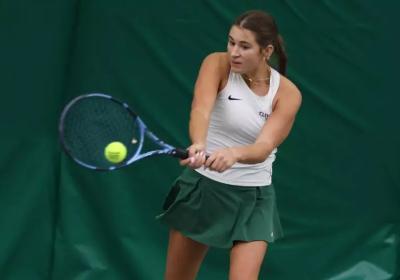 Cleveland State women's tennis began their season at the Betsy Kuhle Invite with two days of solid performances from the team.
Women’s Soccer opens league play with a win against Oakland
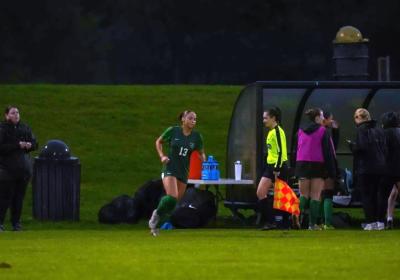 Sophomore Ryleigh Alcala was named the Under Armour #HLWSOC Offensive Player of the Week after scoring both goals in CSU's 2-0 victory over the Golden Grizzlies.
CSU students spend 80 minutes going around the world
By KARINA TORRES - September 24, 2026
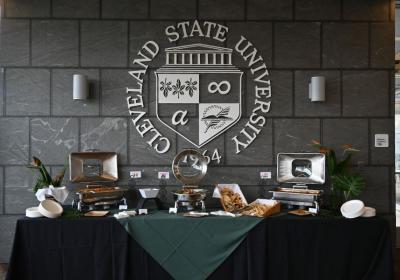
The Center for Campus Engagement hosted the cultural event for students to attend and try food from various countries while enjoying live music.
CSU reopens Student Center, Berkman Hall following water break

By ALEXANDER GIAMPIETRO - posted September 25, 2026
Cleveland State University on Wednesday reopened the Student Center, the hub of campus life, after a Cleveland City main water break on Monday caused flooding on part of campus Monday, and forced the closure of the SC and Berkman Hall Tuesday.
The life of a CSU ball shagger
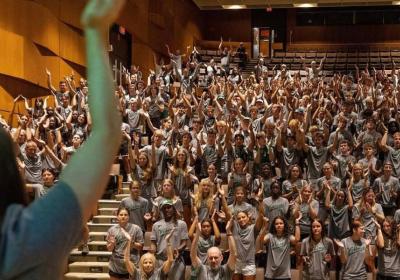 Two Cleveland State student-athletes share what it’s like to work the sidelines, chase down balls and get a different view of CSU athletics.
Guardians fans react to the 2026 season and look ahead to the postseason
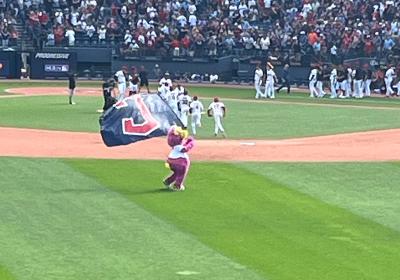 Guardians fans talk about how key additions to the lineup can help the team make a run in the postseason.
Flock cameras remain in Cleveland and near campus despite community pushback
 Across the city of Cleveland, Flock cameras are watching intersections. However, the Cleveland City Council is reconsidering the program following pressure on social media and from the community.
CSU and regional partners host 3rd annual College Fest
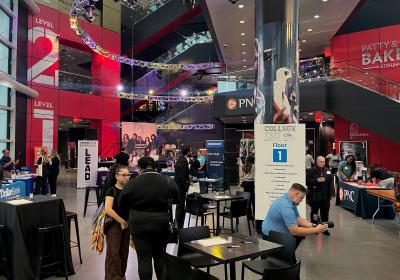
More than 900 students from 30 different regional institutions networked with around 80 employers at the 3rd annual College Fest, held at the Rock and Roll Hall of Fame, Sept. 9, 2026.
CSU men’s soccer shuts out Detroit Mercy 2-0
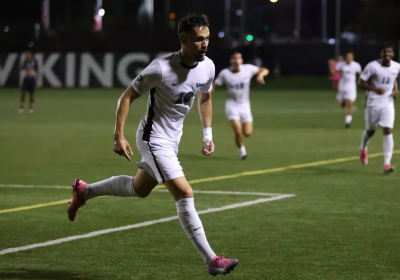 Djorde Petrovic (10) scored both goals in the home game Saturday, Cleveland State's first Horizon League win of the year and second clean sheet of the season.
For the love of fashion: with Aimon Ali
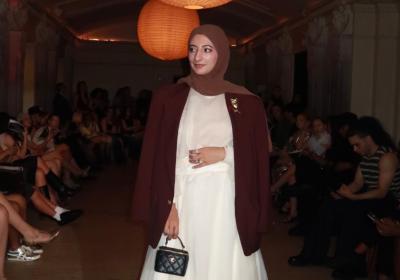 Fashion Talks Foundation founder Aimon Ali joined The Stater Scoop to discuss the inner workings of the fashion industry with host Alexis Stradford.
Browns fans sound off on Deshaun Watson at quarterback
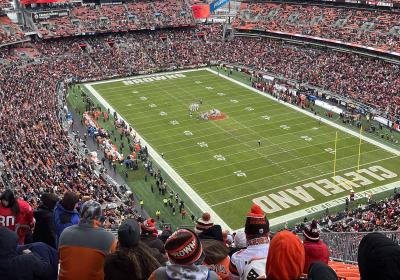 Fans are not happy with the decision of Browns management to name the controversial Watson to the starting position.
Faculty Senate discusses key issues for the fall semester
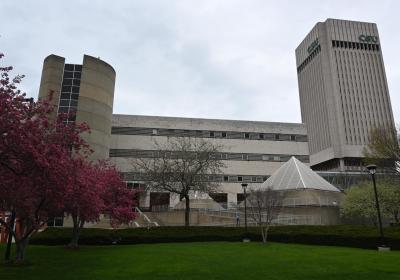 Better cross-campus communication was a key theme at the first Senate meeting of the year for the fall 2026 semester.
The president's interview, spring 2026
 CSU President Laura Bloomberg, Ph.D., addressed the cost of balancing Cleveland State's budget, ongoing litigation with WCSB, housing concerns and AI implementation at the school in an interview with The Stater at the end of the spring 2026 semester.

Cleveland State cross country opens 2026 Season
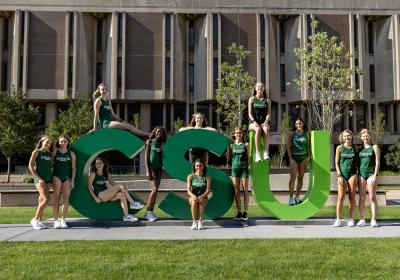 The Vikings kicked off the season with a sixth-place team finish, out of 15 colleges competing and 123 athletes.