The Glick Recovery Campus opens minutes away from CSU
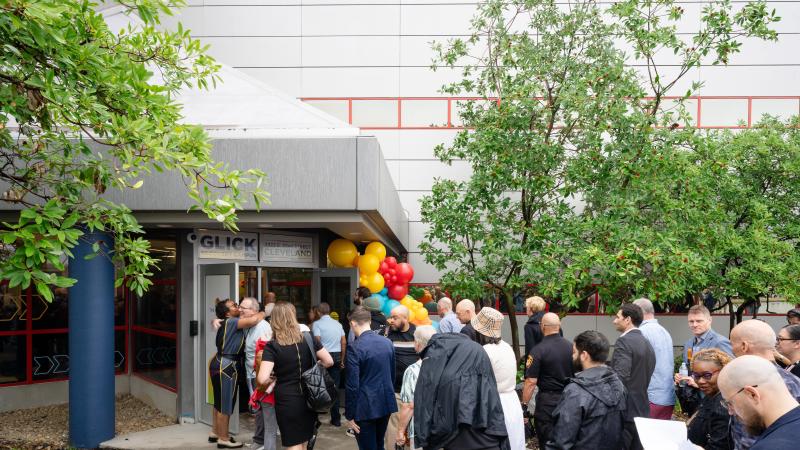
The Glick Recovery Campus, Cleveland’s first behavioral health center, opened its outpatient clinic on Sept. 14, and its walk-in crisis care and pharmacy on Monday.
The campus is at 2322 E 22nd St, Cleveland, OH 44115, where the old St. Vincent Medical Center stood, which closed down due to bankruptcy. The Center has reopened this campus with a focus on mental health services, as opposed to general care. The ribbon cutting ceremony took place Sept. 4, four days into National Suicide Prevention Month.
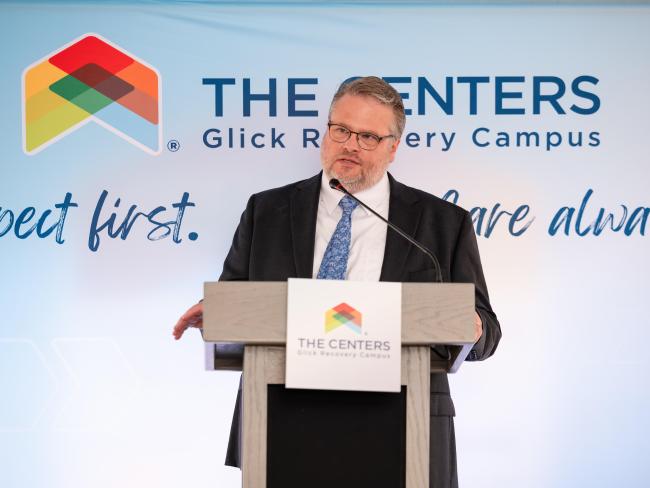
(credit: Kamron Khan Photography/The Centers)
"The opening of the Glick Recovery Campus is about creating a place where people can get help without fear, judgment, or barriers," said Eric Morse, President and CEO of The Centers. "During National Suicide Prevention Month, it is especially important to remind people that seeking support is a sign of strength."
The fourth stage of reopening will be the Rosary Hall Stabilization and Recovery Unit, coming in January 2027. The space with dedicated medical beds will be on the 2nd floor of the campus for patients who are going through withdrawal. The Centers emphasizes acceptance for all, including voluntary walk-ins, police and EMS drop-offs, and a separate, secure place for those in involuntary holding to have a safe place to stay.
“The campus offers 24/7 crisis services, but it is much more than a crisis center," Morse said. "By bringing together primary care, behavioral health, recovery support, and resources like the Health Access Vending Machine, which provides free naloxone and other health supplies, we are making it easier for people to access care before a situation becomes a crisis.”
The campus is for all to use, including students and young adults of any age. The center will also have a community health clinic on the 3rd floor, which will provide quick accessibility for primary health visits, counseling, and other appointments. The campus is a quick 5 minute bus ride or 10 minute walk from CSU.
“For students and young adults, knowing where to turn can make all the difference," Morse said. "We want every student to know there is a place in our community where they can find support, care and hope."
Recent News
More than a major: Finding your voice in communications
 For students studying journalism, public relations and communications, there is more than one way to find their voice and build a career.
“Best of” The Cleveland Stater fall 2026 #1
 In this edition of “Best of” The Cleveland Stater, we examine Flock cameras, CSU’s new meal-swipe system, the opening of the Glick Recovery Campus, CSU’s Around the World in 80 Minutes event, and the main water break that temporarily affected some campus operations.
CSU students spend 80 minutes going around the world
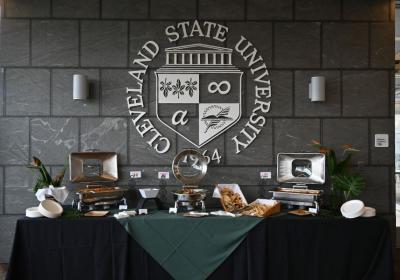
By KARINA TORRES - September 24, 2026
The Center for Campus Engagement hosted the cultural event for students to attend and try food from various countries while enjoying live music.
CSU PRSSA dine-to-donate fundraiser at The Fruit Stand
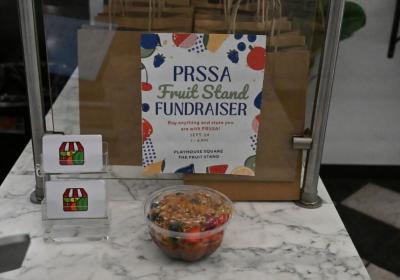
By KARINA TORRES – posted October 7, 2026
CSU PRSSA hosted a one-day fundraiser at The Fruit Stand to raise money for PRSSA's future events.
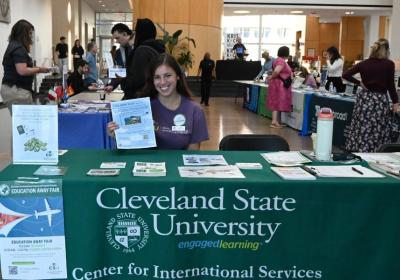
CSU and regional partners host 3rd annual College Fest
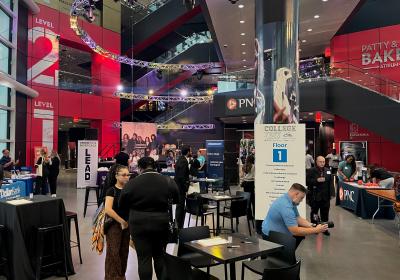
More than 900 students from 30 different regional institutions networked with around 80 employers at the 3rd annual College Fest, held at the Rock and Roll Hall of Fame, Sept. 9, 2026.