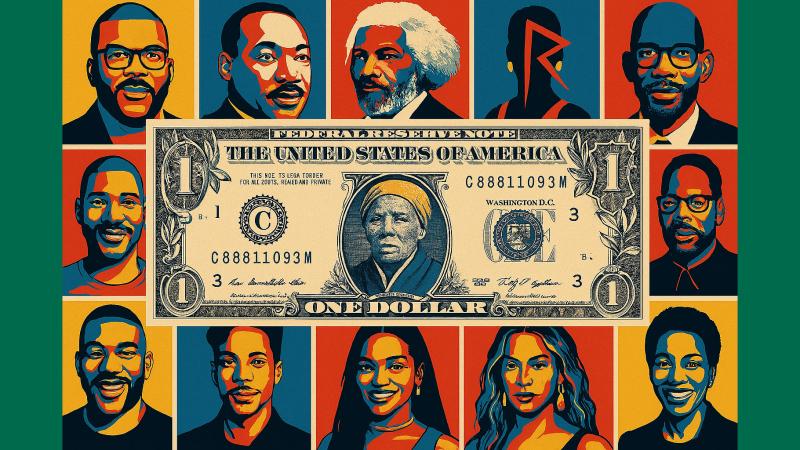
Why the Black dollar remains so valuable
The Black dollar hits like a cultural tsunami, shaping industries from art and music to fashion and corporate America. Companies that earn the community’s approval often see billions in growth, while those that lose it can tumble quickly.
For generations, African American creativity has pushed culture forward. From the Harlem Renaissance to today’s social media influencers, the Black community has carried what many call the “Midas Touch.” A single endorsement can transform a product from niche to mainstream.
Consider Keith Lee, a food influencer with more than 5 million followers. His 45-second restaurant reviews can keep small businesses packed for months. “It’s about more than food — it’s trust,” Lee said recently on social media.
This power is why the Black dollar is so heavily courted. Once a brand becomes part of the culture, it moves beyond trend to lifestyle. That’s what happened with Versace after the rap group Migos released its 2013 single “Versace,” introducing the luxury label to a new generation. Similarly, Lululemon rebounded with African American shoppers after new leadership distanced the company from its former CEO’s comments dismissing diversity, equity and inclusion.
But when companies fail to honor that relationship, consequences follow. Target’s rollback of DEI initiatives has been linked to declining sales, despite its long popularity among African American women.
I spoke with Ronisha, a polished Black woman in her 40s who works in the dental industry and runs a small business. Though graceful and confident in style, she grew visibly tense when discussing DEI cutbacks, often wringing her hands and narrowing her eyes. She described feeling uncertain about her career path, unsure whether she could continue growing without the protections DEI once offered.
“The program gave me a fighting chance,” she said. “With a unique name, I can’t always rely on being seen equally in corporate spaces. DEI opened doors in health care and gave me security. Without it, I worry I’ll have to cling to a job that no longer wants me, instead of seeking growth.”
Ronisha said DEI programs also allowed her to build her wheelchair transportation business while working in health care. She stressed that reinvestment in Black communities — through both corporate programs and celebrity philanthropy — is essential. “Tyler Perry, Rihanna, Beyoncé, Jay-Z — they always remember their roots. That’s what keeps communities alive,” she said.
Her fears reflect broader anxieties. Many African Americans see the rollback of DEI as a reversal of hard-won progress. For Ronisha, it raises the stakes for survival in her career. “Now, I’m scared of not finding another job,” she said. “But I’m also scared of staying in one where my growth is cut off and I could be fired for reasons that used to be protected.”
Despite the challenges, the Black dollar continues to set standards across industries. Hip hop, born in the 1990s without major cultural backing, now dominates global entertainment. Artists like Beyoncé, Rihanna and 50 Cent have not only sold records but also influenced fashion, beauty and lifestyle choices.
The reach of the Black dollar is clear. African Americans represent about 14 percent of the U.S. population, but their spending power exceeds $1.7 trillion. Its value lies not only in scale but in influence: what the community supports often becomes part of mainstream culture.
For companies, the lesson remains the same. The Black dollar is more than money — it’s power, influence and survival.
Recent News
Northeast Ohio’s drag scene is losing its own talent

A few years ago, a weekend in Northeast Ohio meant juggling drag shows across Lakewood, Cleveland and Akron.
Paying the price: when street parking stops making cents
 The City of Cleveland’s decision to hike parking rates across the city, and around campus is turning a once-affordable alternative for CSU students into yet another financial burden.