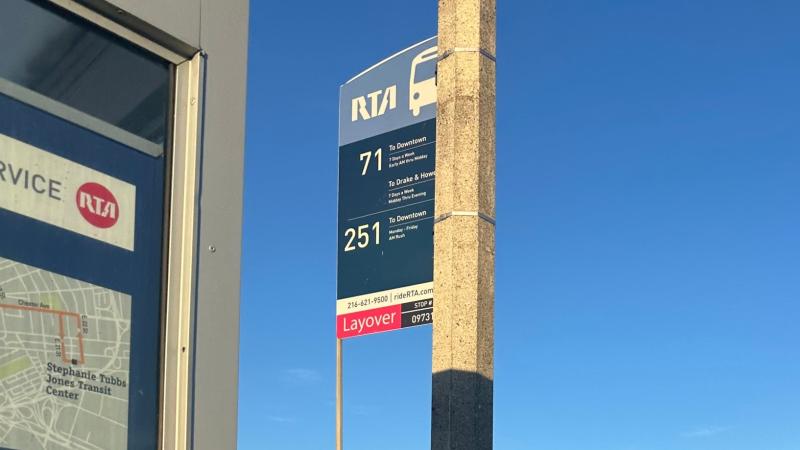
Students face higher transportation costs after U-Pass changes
After Cleveland State University ended its U-Pass agreement with the Greater Cleveland Regional Transit Authority (GCRTA) in the summer, students who rely on public transportation say the university’s current options do not meet their needs.
For CSU film major Reagan Stoyko, getting to class has become another expense to factor into an already tight college budget.
“The change has affected my ability to get around CSU tremendously regarding the amount of money that I’m spending just to be able to get to my classes,” the first-year student said.
Stoyko said she expects to spend nearly four times the former U-Pass cost on bus fares during one semester.
For years, CSU students could use the RTA U-Pass to travel around Cleveland without paying for individual bus rides. The program provided eligible students with unlimited rides during the semester, allowing them to travel to campus, work, appointments and other destinations throughout the region.
The U-Pass originally cost students $57.50 per semester through a mandatory student fee. In fall 2025, CSU changed the program to an optional, opt-in system after the university said changes in state law prevented it from continuing to charge all students for the service.
The change sparked student and community pushback, and CSU reinstated the U-Pass for the 2025-26 school year on an opt-in basis. The program remained $57.50 per semester and provided unlimited RTA rides.
But the opt-in model also changed how many students used the program. According to a CSU working group memo obtained by Ideastream Public Media, 18.8% of students picked up a U-Pass during the 2025-26 school year, compared with about 34.8% at the program’s peak usage in 2023.
CSU spent about $757,000 subsidizing the program during the 2025-26 school year, while the passes generated about $182,000 in revenue. The university working group said the cost and low student usage were among the factors considered when deciding whether to continue the program.
The university and GCRTA were unable to reach an agreement on a new version of the program, according to the working group memo.
The CSU and GCRTA U-Pass agreement expired at the end of spring 2026, and CSU decided not to continue participating in the program, according to Robert Fleig, a GCRTA spokesperson. CSU permanently discontinued its discounted U-Pass program Aug. 24.
Students who need transportation now have to purchase RTA fares themselves or seek other assistance from the university. GCRTA’s standard monthly pass costs $95, individual rides cost $2.50 and a seven-day pass costs $25.
CSU offers a limited number of five RTA passes at no cost to students who need short-term transportation assistance. The passes are not a regular semester benefit or an automatic allotment. Students are encouraged to contact their academic coach to ask about available transportation assistance and community resources.
CSU also lists other transportation options on its Transportation page, including public transit information, carpooling, car-sharing, biking and other ways to get to campus.
However, students who use public transportation several times a week say limited assistance does not replace the unlimited access the U-Pass previously provided.
Stoyko works part time during the school year, but said her classes take up most of her week. She said most of the money she earns goes toward transportation so she can continue attending classes.
Because of the financial burden, Stoyko said the university’s current transportation options do not provide enough support for students who rely on public transit.
“CSU’s current transportation options are not enough for students and are hurting their ability to further their education,” Stoyko said, adding that she would support bringing back the U-Pass as an optional program that students could purchase if they needed it.
For criminology student Emma Keller, the cost of getting to campus is about $25 a week, which adds up to roughly $100 a month.
Keller, a second-year student who has relied on RTA since she started school, said the limited emergency transportation assistance available through CSU does not account for students who need to travel to campus throughout the semester.
“Some of us don’t have jobs and don’t have money, let alone $100 a month,” Keller said.
Second-year mechanical engineering major Dalcia Perez also relies heavily on RTA, using public transportation for both school and work.
Perez said she now pays about $95 a month for an RTA monthly pass through the Transit app. She said she has taken 138 trips this year.
Perez said she was initially unaware that the U-Pass was no longer being offered. She went to the parking and transportation office in Berkman Hall expecting to receive one, only to learn about the new transportation options.
Under the previous U-Pass system, Perez said students could use their passes for more than just getting to class. The unlimited access allowed students to travel throughout Cleveland, whether they were going to work, visiting friends or exploring the city.
Perez also uses RTA to get home in time to prepare for her part-time job. She said the transportation options currently available do not meet the needs of students who use the system regularly.
“I think they should either bring back the U-Pass or offer a similar program,” Perez said.
The end of the U-Pass has continued to draw criticism from students and community advocates, with concerns ranging from transportation costs and accessibility to the university’s reasoning for ending the program.
Some students have described the decision as inconsistent with CSU’s focus on urban policy and sustainable communities. Online student testimony campaigns have highlighted the university’s urban planning and public policy programs while arguing that removing a public transportation subsidy makes it harder for students to practice the principles they learn in class.
Students and other critics have also challenged CSU’s interpretation of the state law that contributed to the program’s original cancellation. While CSU said changes in state law affected its ability to charge all students a transportation fee, critics have pointed to other Ohio colleges that continue to offer transit programs.
The financial impact of the change has also become part of the debate. Students who previously paid $57.50 per semester for unlimited rides can now pay $95 for a monthly pass. For students who cannot afford that cost, driving can add expenses for gas and campus parking.
CSU has said it wants to support students who use public transportation while also considering the cost of requiring students who do not use transit to pay for the program.
The organizing effort has continued into the fall. Student groups have called for more transparency and student input into future transportation decisions, while a petition launched Aug. 24 calls on CSU to restore the U-Pass.
The petition argues that the program helped students balance school with jobs and internships and that ending it shifts more transportation costs onto students. As of Oct. 7, the petition had 58 verified signatures.
Cleveland City Council also passed an emergency resolution Sept. 14 supporting the continuation and preservation of the CSU U-Pass and encouraging CSU and GCRTA to work together on affordable and reliable transportation for students.
For students who depend on public transportation, the issue extends beyond the cost of a bus ride. For Stoyko, Keller and Perez, transportation is part of what determines whether they can consistently get to class, work and fulfill other responsibilities.
As CSU moves forward without the U-Pass, students who regularly rely on RTA say they want a transportation option that reflects how often they need to ride.
“There are students that are missing classes because they can’t afford to make it to the city,” Stoyko said.
Recent News
Midterms: What Cleveland residents want candidates to address
From rising rent and grocery prices to health care costs and public transportation, affordability remains a major concern for people trying to make ends meet.
Walking for awareness of breast cancer
Miles are usually measured in sweat, but at Cleveland State University on Oct. 15 they were measured with purpose and a path towards healing.
“Best of” The Cleveland Stater fall 2026 #1
 In this edition of “Best of” The Cleveland Stater, we examine Flock cameras, CSU’s new meal-swipe system, the opening of the Glick Recovery Campus, CSU’s Around the World in 80 Minutes event, and the main water break that temporarily affected some campus operations.
Midterms: The policies and controversy of the Ohio governor's race
 Having last minute voter anxiety? Read up on the candidates running for governor of Ohio, Democrat Amy Acton and Republican Vikek Ramaswamy.
Midterms: Does spending more money lead to more votes?
Political advertisements have become increasingly difficult to avoid as the Nov. 3 midterm election approaches.
Midterms podcast: Cleveland Stater editors discuss the issues ahead of Tuesday's election
 Cleveland Stater editors discuss the upcoming midterms, including the race for Ohio governor, which pits Amy Acton (D) against Vivek Ramaswamy (R), and the race for the U.S. Senate, in which Sherrod Brown (D) is competing with Jon Husted (R).
Midterms: CSU student hosts The Ballot, A fight for education
 Ahead of next week's midterms, Alissa Burkholder, an Aspiring Educator, moderated The Ballot: A fight for education, featuring five speakers who discussed current issues education in Ohio is facing and how Tuesday's election could affect them.
Midterms opinion: Campaign ads suggest some people aren't fit for office
 Vivek Ramaswamy's attack ad. featuring his opponent's estranged mother shows that no low is too low for some people. The ad tells us a lot more about the person behind the ad than Amy Acton, target of the attack.
Midterms: Meet the candidates for federal and Ohio state office
Ohio voters are heading to the polls on Nov. 3 to elect candidates in the 2026 midterm elections. Major races include the U.S. Senate and governor.
Beyond the Plate: With Chef Douglas Katz
On this episode of The Stater Scoop, host Alexis Stradford, sits down with James Beard Award outstanding restaurateur semifinalist Chef Douglas Katz. The conversation that followed was an intimate look into his culinary journey.
CSU hosts wellness walk to promote student-athlete mental health
 Student-athletes from all sports gathered for the event, which focused on reducing stigma and encouraging athletes to seek support.
Ten Kings of Hell: The Afterlife in Medieval Korea
 The Cleveland Museum of Art partners with the National Museum of Korea to showcase “Ten Kings of Hell: The Afterlife in Medieval Korea”
Women's soccer holds off Green Bay, drops home closer to Milwaukee
 Goalkeeper Senior Hayleigh Lewis made a penalty kick save and a diving save during the Vikings' game against Green Bay.
Delventhal records 1,000 career digs in CSU's 3-1 loss to Oakland
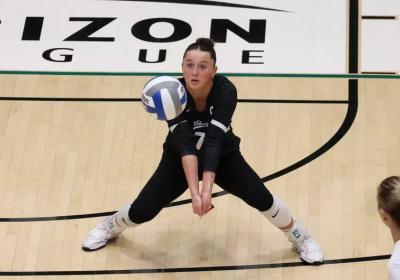 As a team, the Vikings combined for 11 blocks, including six from Julia Jozefov and five each from Sariyah Glanton and Sophie Butler.
Cavs fans look ahead to the 2026-27 season
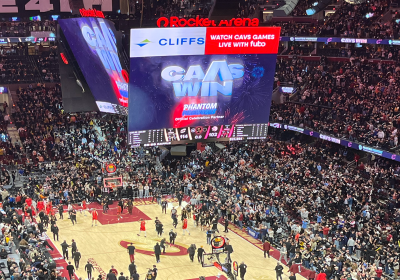 Fans of the hometown Cleveland Cavaliers talk offseason moves and expectations for the upcoming season.
Symphony at Sunset plays an encore to its summer season
 The Symphony at Sunset concluded its summer series of concerts with an Autumn Encore, much to the delight of fans.
CSU men’s swimming and diving takes third at Zips Classic

Cleveland State University men’s swimming and diving team claimed third place at the Zips Classic in Akron, Ohio, after two days of competitive performances in the pool and on the diving board Oct. 16-17.
CSU women’s swimming and diving finishes 4th at the Zips Classic
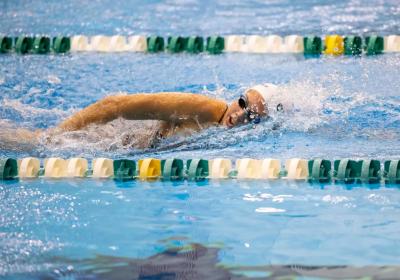
Cleveland State University women's swimming and diving finished fourth of five teams competing at the two-day Zips Classic, hosted by the University of Akron, Friday and Saturday.
CSU volleyball drops two matches at Milwaukee
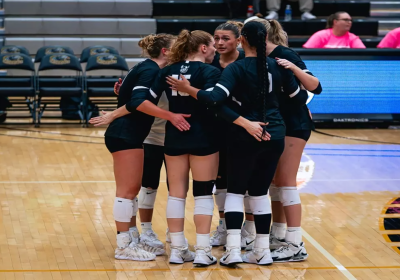 Volleyball struggled in its weekend series against Milwaukee, losing in straight sets on Friday, and dropping a five-set thriller on Saturday.
At IngenuityFest, ‘America Dreams’ through art, technology and imagination
What does America dream about?
At IngenuityFest, the answer wasn’t exactly straightforward.
CSU honors Constitution Day with visit by former Ohio AG
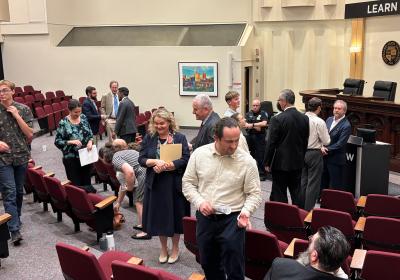 Former Ohio Attorney General Dave Yost spoke to students about the Supreme Court's shifting position on the separation of church and state.
Midterms: Senate candidate Greg Levy addresses CSU students
 Ahead of the Nov. 3 midterms, Ohio senate candidate Greg Levy spoke to CSU students about the possibility of real change for the good of the community.
$10 million Ahuja family and foundation gift will transform business education at CSU
 The gift will transform how CSU prepares tomorrow’s business leaders, and Cleveland State will rename the business college the “Ahuja College of Business and Entrepreneurship" to honor the family.
People of CSU - Madison Luthy finds her stride in science and sport
 The Cleveland State doctoral student balances biomedical engineering research with competing in the women's decathlon, returning to a sport she once thought she had left behind.
CSU’S BIG Band opens semester with jazz concert
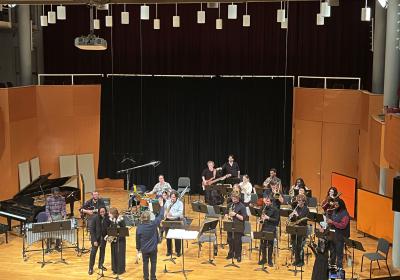
The Cleveland State University BIG Band opened its first concert season Oct. 5 with a performance at Drinko Recital Hall, featuring student musicians and a variety of jazz styles ranging from swing to soul to mambo and New Orleans jazz.
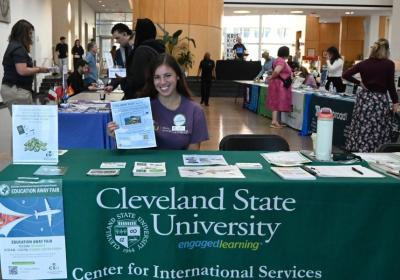
Women’s soccer shuts out Detroit Mercy 1-0
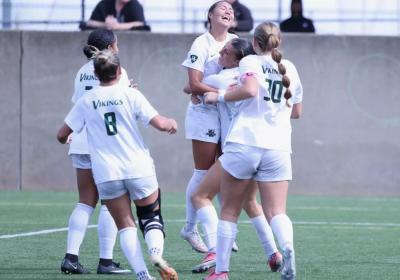
Cleveland State women’s soccer defeated Detroit Mercy 1-0 on Saturday, earning its third Horizon League win of the season.
CSU announces free tuition plan for eligible Ohio students
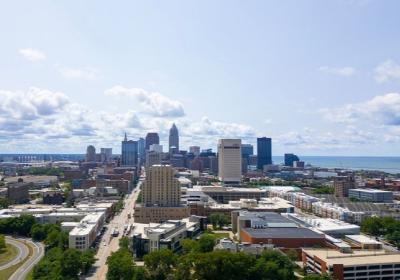 Cleveland State University on Friday unveiled the Cleveland State Commitment, a new program that will cover tuition for eligible Ohio students beginning in fall 2027.
CSU men's club hockey win home opener 13-7
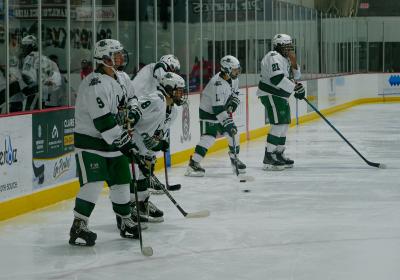 The CSU Vikings men’s club hockey team on Saturday won its home opener against the Robert Morris Colonials.
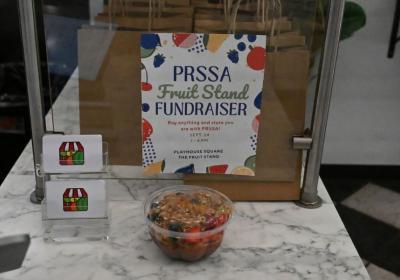
CSU PRSSA dine-to-donate fundraiser at The Fruit Stand
By KARINA TORRES – posted October 7, 2026
CSU PRSSA hosted a one-day fundraiser at The Fruit Stand to raise money for PRSSA's future events.
CSU students showcase undergraduate research
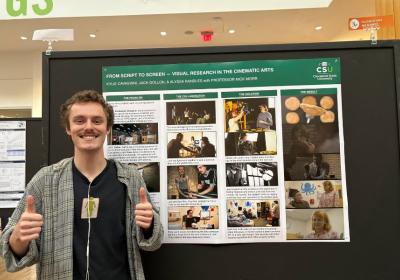 The poster session highlighted the range of research and work students are doing across the university, from work on film sets to a focus on Cleveland's history.
Six runners finish with a season best at the Joe Piane Invite
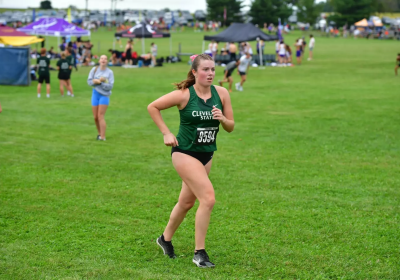 The Vikings had a good outing at the event in South Bend, Indiana, with six athletes running season best times.
Get to know the CSU Esports team
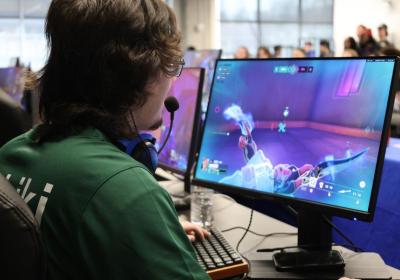 A behind-the-scenes look at who’s on the CSU Esports team. They share their experiences on the team and their hopes for its future.
Learn about the markets at the Viking Trading Lab
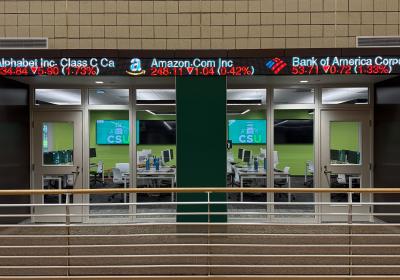 New to Cleveland State this semester is the Viking Trading Lab, a classroom with computers running the latest electronic trading and financial software. It's open to all CSU students who want to learn about markets and how to navigate them.
Is Carson Hocevar too aggressive for his own good?
 Carson Hocevar celebrates after his first career win, at Talladega Superspeedway on April 26, 2026.
XCSB holds flea market fundraiser
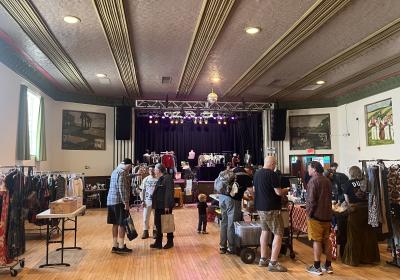 XCSB, Cleveland’s new alternative media station and successor to CSU's shuttered WCSB hosted a flea market fundraiser at the Beachland Ballroom and Tavern to raise money so the station can continue to serve the community.
More than a major: Finding your voice in communications
 For students studying journalism, public relations and communications, there is more than one way to find their voice and build a career.
EXPLAINER: Why Flock cameras are getting creepy
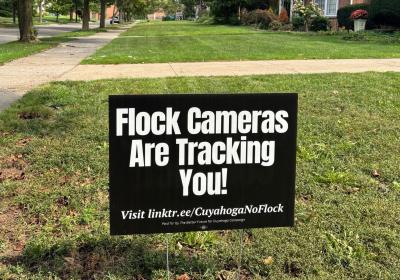 Mounted on poles across cities and suburbs, Flock cameras collect license plate information and vehicle characteristics sparking an ongoing debate over privacy and surveillance.
Men’s tennis falls short at the Horizon League Individual Championships
 Members of Cleveland State men’s tennis advanced to the semifinals and finals, but missed out on the win.
CSU Volleyball falls to Purdue Fort Wayne to open 2026 Horizon League play
 Cleveland State finished the Horizon League Play Opener 0-2 this past weekend, losing both its matches on the road to Purdue Fort Wayne.
CSU’s new meal-swipe system changes how students eat on campus
 The university says the $5 cash-equivalency system offers more flexibility, but some students say they are using retail dining less as a result of its implementation.
The Jagged Little Pill, a musical for all who live and learn
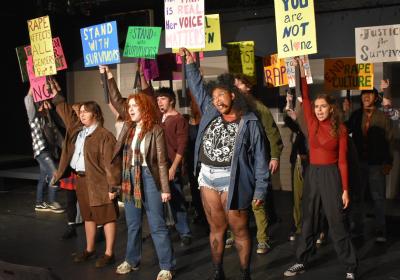 Alanais Morissette's Broadway musical made its regional debut at the Broadview Heights Spotlights community theater on Sept. 18, 2026, playing to a sold-out audience.
Women's tennis opens fall 2026 at the Betsy Kuhle Invite
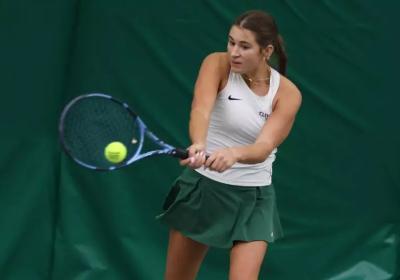 Cleveland State women's tennis began their season at the Betsy Kuhle Invite with two days of solid performances from the team.
Women’s Soccer opens league play with a win against Oakland
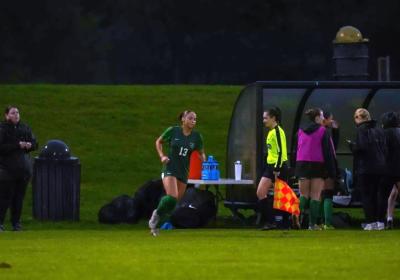 Sophomore Ryleigh Alcala was named the Under Armour #HLWSOC Offensive Player of the Week after scoring both goals in CSU's 2-0 victory over the Golden Grizzlies.
CSU students spend 80 minutes going around the world
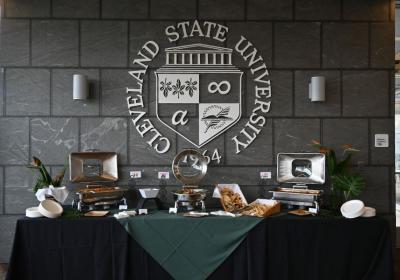
By KARINA TORRES - September 24, 2026
The Center for Campus Engagement hosted the cultural event for students to attend and try food from various countries while enjoying live music.
CSU reopens Student Center, Berkman Hall following water break
By ALEXANDER GIAMPIETRO - posted September 25, 2026
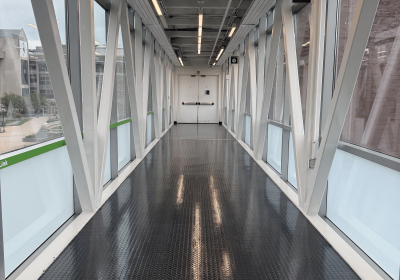
Cleveland State University on Wednesday reopened the Student Center, the hub of campus life, after a Cleveland City main water break on Monday caused flooding on part of campus Monday, and forced the closure of the SC and Berkman Hall Tuesday.
The life of a CSU ball shagger
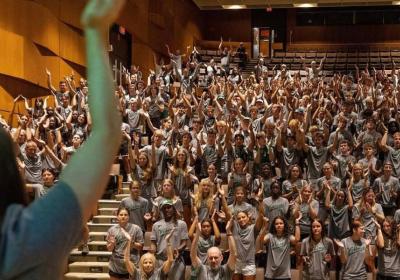 Two Cleveland State student-athletes share what it’s like to work the sidelines, chase down balls and get a different view of CSU athletics.
Guardians fans react to the 2026 season and look ahead to the postseason
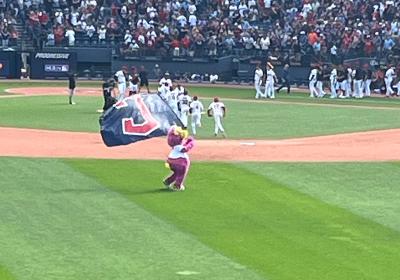 Guardians fans talk about how key additions to the lineup can help the team make a run in the postseason.
Flock cameras remain in Cleveland and near campus despite community pushback
 Across the city of Cleveland, Flock cameras are watching intersections. However, the Cleveland City Council is reconsidering the program following pressure on social media and from the community.
CSU and regional partners host 3rd annual College Fest
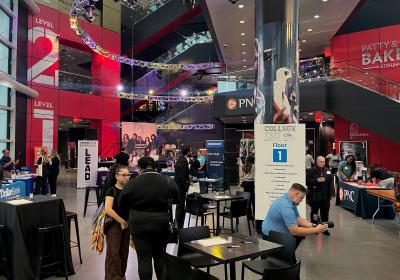
More than 900 students from 30 different regional institutions networked with around 80 employers at the 3rd annual College Fest, held at the Rock and Roll Hall of Fame, Sept. 9, 2026.
CSU men’s soccer shuts out Detroit Mercy 2-0
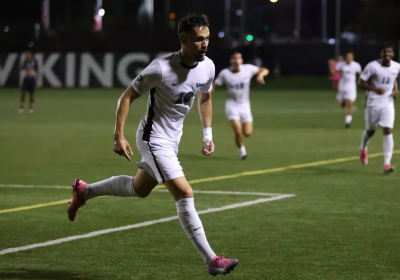 Djorde Petrovic (10) scored both goals in the home game Saturday, Cleveland State's first Horizon League win of the year and second clean sheet of the season.
For the love of fashion: with Aimon Ali
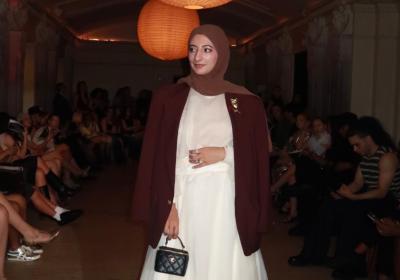 Fashion Talks Foundation founder Aimon Ali joined The Stater Scoop to discuss the inner workings of the fashion industry with host Alexis Stradford.
Browns fans sound off on Deshaun Watson at quarterback
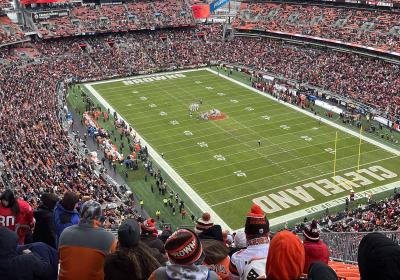 Fans are not happy with the decision of Browns management to name the controversial Watson to the starting position.
Faculty Senate discusses key issues for the fall semester
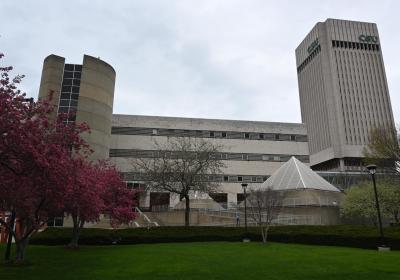 Better cross-campus communication was a key theme at the first Senate meeting of the year for the fall 2026 semester.
The president's interview, spring 2026
 CSU President Laura Bloomberg, Ph.D., addressed the cost of balancing Cleveland State's budget, ongoing litigation with WCSB, housing concerns and AI implementation at the school in an interview with The Stater at the end of the spring 2026 semester.

Cleveland State cross country opens 2026 Season
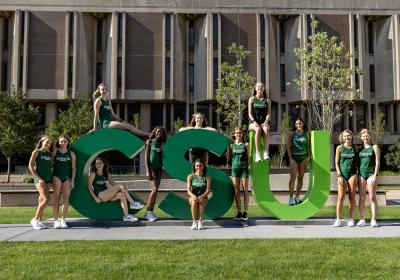 The Vikings kicked off the season with a sixth-place team finish, out of 15 colleges competing and 123 athletes.